Qué país rico quebrará primero, explicado con plátanos
This video also has English audio (auto-dubbed). In the player, open Settings → Audio track and choose English.
Your rating
Reactions
AudioSpanish (original)Auto-dubbed: English, Arabic, Portuguese
Description
Abre tu cuenta en Sequra aquí: bit.ly publi. ---- Hoy mono analiza qué país rico se acerca más a la quiebra de países. Veremos la deuda de cada uno para identificar qué nación caerá primero. Entender el riesgo financiero de un estado permite ver cómo los números en papel se traducen en realidades políticas. Este desglose ayuda a distinguir qué sistemas tienen margen de maniobra y cuáles están al límite dentro de la economía global actual. --- Disclaimer Sequra: Financiación sujeta a la aprobación de seQura, previo análisis de solvencia. Servicio para residentes en España de +18 años. Condiciones en web de Sequra.
AI Overview
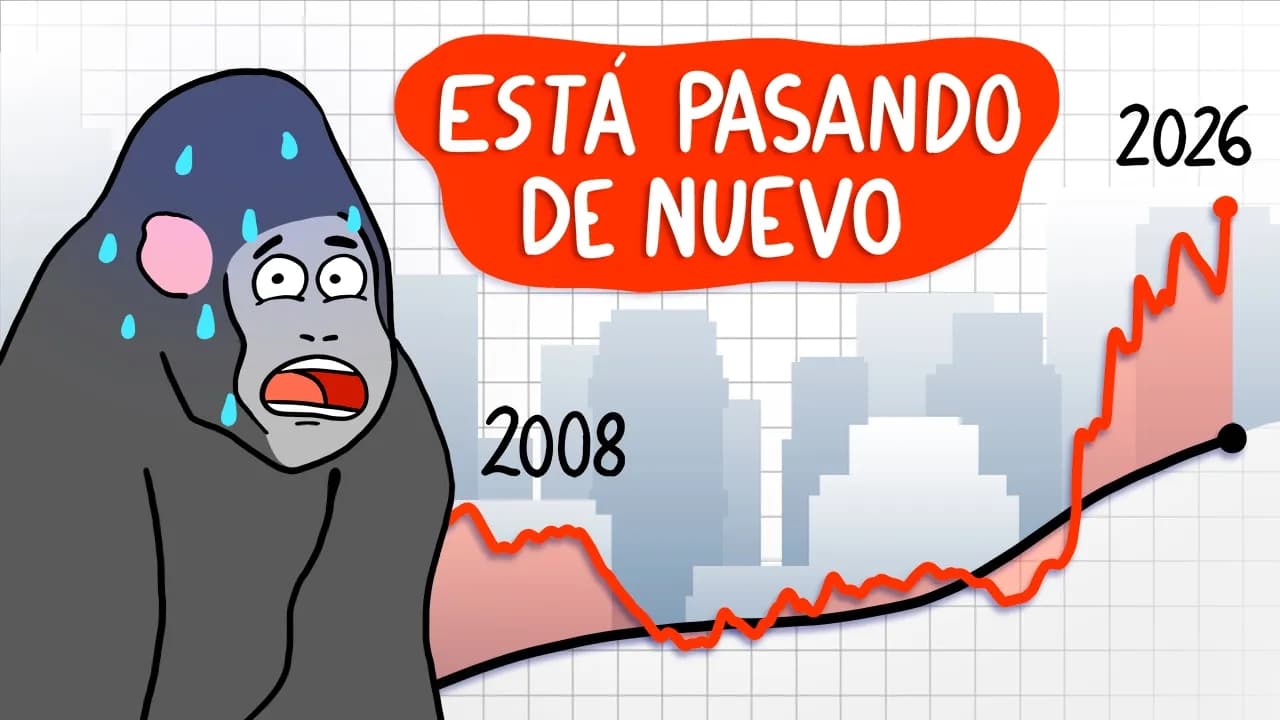
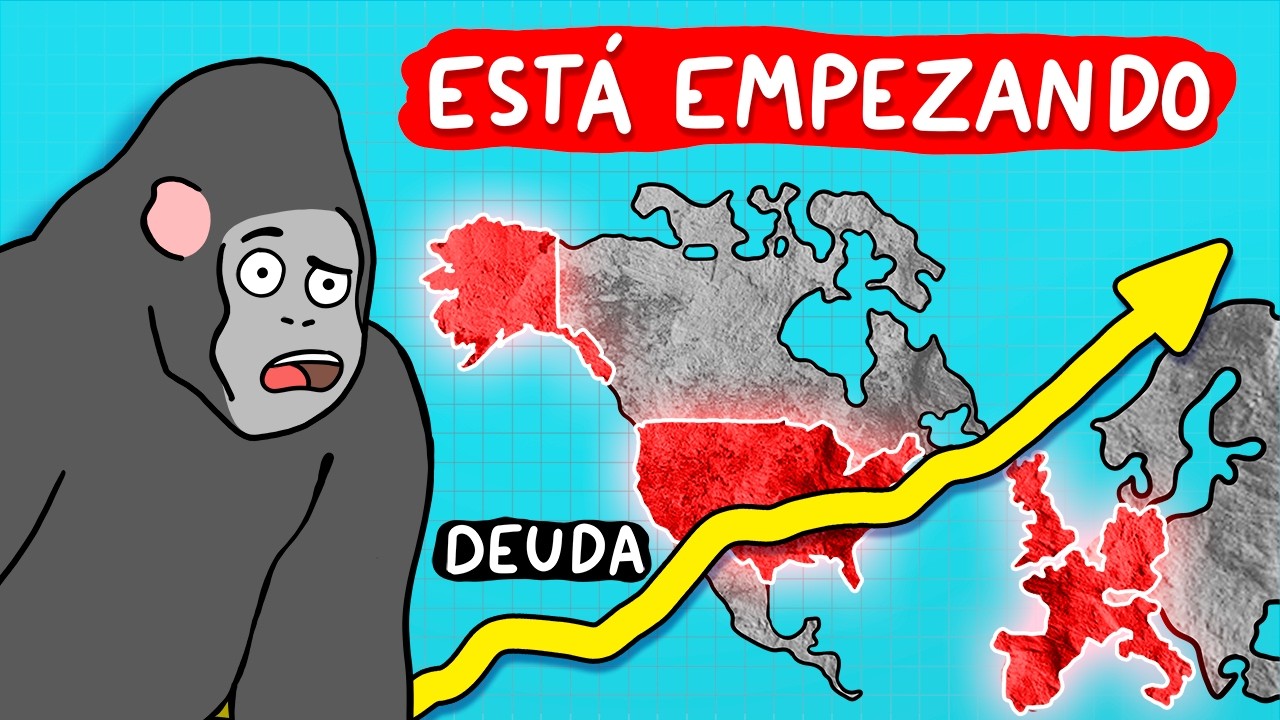
The investigation compares Japan, the United Kingdom, Germany, Italy, France, Canada, and the fictional United Bananas to assess which rich country faces the greatest risk of a debt crisis. It argues that a large debt total alone does not determine whether a country is close to bankruptcy. Japan's debt exceeds twice its annual economic output, but much of it is held domestically, and the country borrows in yen that it can issue. The video cautions that printing too much yen can weaken the currency and make goods more expensive. Canada’s financial assets reduce the size of its net debt, while Germany has lower public debt, around 64% of GDP, and is treated as a safe haven. The United Bananas is also set aside because its debt is in a currency issued within its own system.
Topics · economy · global economy · financial education · finance · sovereign debt
Questions answered
- Why does Japan's very high public debt not automatically mean it is close to bankruptcy?
- Much of Japan's debt is held by domestic institutions, and it is denominated in yen, which Japan can issue. The video notes that excessive money creation could weaken the yen and raise prices.
- What caused the 2022 UK bond market crisis?
- The UK government announced large tax cuts without clearly explaining how it would pay for them. Investors sold British debt, bond prices fell, and pension funds selling bonds added to the pressure.
- How do Italy and France compare on debt and borrowing costs?
- The video gives Italy's debt as about 137% of GDP and France's as close to 118%. It says Italy's deficit had recently narrowed, while France continued to spend more than it collected; France's 10-year borrowing rate reached 5%, compared with about 4.7% for Italy.
- Why does the video identify France as the closest of the countries examined to debt trouble?
- France keeps borrowing to cover spending beyond its revenue and relies substantially on foreign investors, who hold nearly six in ten of its long-term government bonds. The video emphasizes that this indicates greater pressure, not an imminent bankruptcy.
- How can a government debt crisis develop into a national financial emergency?
- As lenders lose confidence, they may demand higher interest, leaving the government with less money for public services and making new borrowing more expensive. If market financing becomes too difficult, the country may need an outside rescue, as Greece did in 2015.