Your rating
Reactions
Promos
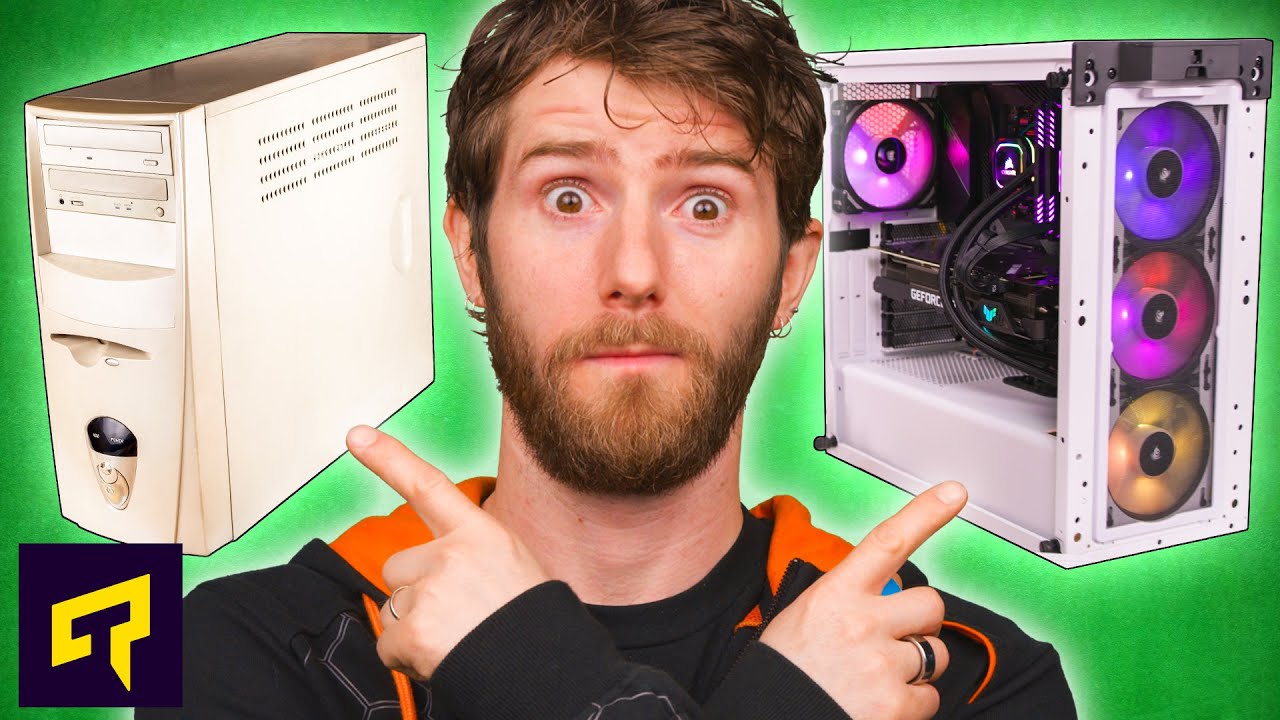
Get iFixit's Moray and Minnow Toolkits at ifixit.com PC cases didn't start off with tempered glass, textured front grills, built-in cable management, and magnetic filters. They were originally in beige boxes meant to help fit office spaces. Linus shows you how things progressed over the decades! Leave a reply with your requests for future episodes, or tweet them here: twitter.com ►GET MERCH: lttstore.com ►SUPPORT US ON FLOATPLANE: floatplane.com ►LTX EXPO: ltxexpo.com AFFILIATES & REFERRALS --------------------------------------------------- ►Affiliates, Sponsors & Referrals: lmg.gg ►Private Internet Access VPN: lmg.gg ►MK Keyboards: lmg.gg ►Nerd or Die Stream Overlays: lmg.gg ►Official Game Store: nexus.gg ►Amazon Prime: lmg.gg ►Audible Free Trial: lmg.gg ►Our Gear on Amazon: geni.us FOLLOW US ELSEWHERE --------------------------------------------------- Twitter: twitter.com Facebook: @LinusTech Instagram: @linustech Twitch: twitch.tv FOLLOW OUR OTHER CHANNELS --------------------------------------------------- Linus Tech Tips: lmg.gg Mac Address: lmg.gg TechLinked: lmg.gg ShortCircuit: lmg.gg LMG Clips: lmg.gg Channel Super Fun: lmg.gg Carpool Critics: lmg.gg
AI Overview
The Evolution of PC Cases traces the visual and architectural transformation of desktop computer enclosures from the early beige boxes of the 1980s to the more sophisticated, modular designs of the 2000s and beyond. The video begins by explaining how the original 1981 IBM PC set the standard look, a beige chassis with front-accessible floppy drives and back panel ports, chosen partly to blend with office equipment. It then shifts to internal changes like the AT form factor and the later ATX standard, which allowed smaller, more upgrade-friendly systems and a back I/O panel that offered greater manufacturer flexibility. As the decades progressed, exterior aesthetics began to matter more: the industry moved from beige to black, with color accents and industrial metal finishes exemplified by models like the Antec Lanboy and the Power Mac G5. The narrative highlights how design philosophies evolved toward tidier, more cable-managed builds, culminating in features like built-in cable management and later tempered glass windows during the 2010s. Throughout, the video balances hardware evolution with stylistic trends, noting how cooling, space utilization, and user customization shaped what PC cases look like and how they perform. The segment culminates in a retrospective on RGB culture and the ongoing tension between flashy aesthetics and practical engineering, underscoring how modern cases strive for a clean silhouette while accommodating powerful components. The storyline closes with a nod to repairability and ongoing interest in modular toolkits, inviting viewers to explore the future of PC case design.
Topics · technology_history · pc_hardware · product_design · aesthetics
Questions answered
- What factors drove the shift from beige PC cases to darker and more stylized designs in the late 1990s and early 2000s?
- The shift was driven by a combination of consumer desire for modern aesthetics, the push from manufacturers to differentiate products, and the practical need to accommodate more compact and modular builds with better cooling and cable management.
- How did the ATX form factor influence PC case design and upgradeability?
- ATX standardized motherboard sizes and back I/O panels, reducing the need for built-in connectors in the case and making it easier to upgrade motherboards and components without replacing the chassis.


