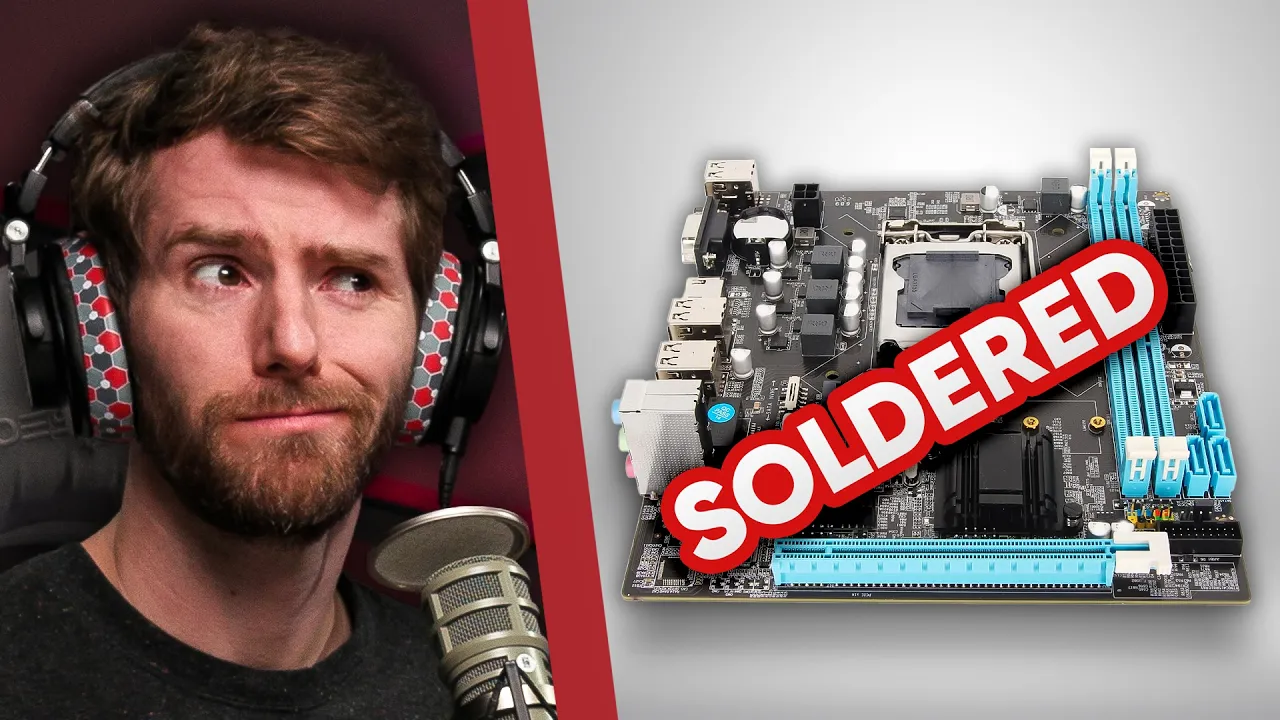
Cheap PCs Are About to Stop Being Upgradable
Your rating
Reactions
Description
Thanks to our WAN clips sponsors dbrand and Razer. You can check them out at the links below: dbrand: dbrand.com
Channels and socials
Check out the Razer Blade series of laptops; perfect for work or pleasure: lmg.gg Game or work in comfort on a Razer Iskur V2: lmg.gg An Intel executive says enthusiast and premium sales are holding up while low end and mainstream get hammered, and hints at a widening platform divide. Linus and Luke discuss four ways that could play out, including a cheap fully soldered board that ends upgrades entirely. Watch the full WAN Show: youtube.com ► SHOP OUR PRODUCTS: lttstore.com ► GET EXCLUSIVE CONTENT ON FLOATPLANE: lmg.gg ► SPONSORS, AFFILIATES, AND PARTNERS: lmg.gg
AI Overview
Linus and Luke discuss comments from Intel executive Robert Hallock, who described the PC market as “a tale of two kingdoms”: sales of enthusiast and premium systems are holding up, while low-end and mainstream sales are being hit harder. They connect this divide to differences in purchasing power, noting that people with higher incomes can keep making discretionary purchases while budget-constrained buyers may have to delay them. Hallock suggested the gap between mainstream and enthusiast platforms could become more pronounced across the industry. Linus outlines possible ways that could happen, starting with a return to separate high-end desktop platforms.
Topics · science & technology · hardware · pc · podcast · opinion
Questions answered
- Why are low-end and mainstream PC sales under more pressure than enthusiast and premium sales?
- Consumers with tighter budgets are more likely to postpone PC purchases when their income is squeezed, while higher-income buyers may still afford discretionary upgrades.
- What changes could widen the divide between mainstream and enthusiast PC platforms?
- Possible outcomes include a return to separate high-end desktop platforms, longer-lived and more stripped-down platforms for price-sensitive markets, more reuse of salvaged hardware, or tightly integrated systems with components soldered to one board.
- What does the discussion predict for future mainstream PCs?
- Mainstream PCs may use cheaper silicon on highly integrated boards, with more components soldered in place and fewer upgrade or repair options to reduce costs.


