Your rating
Reactions
Description
Thanks to UGREEN for sponsoring this video!
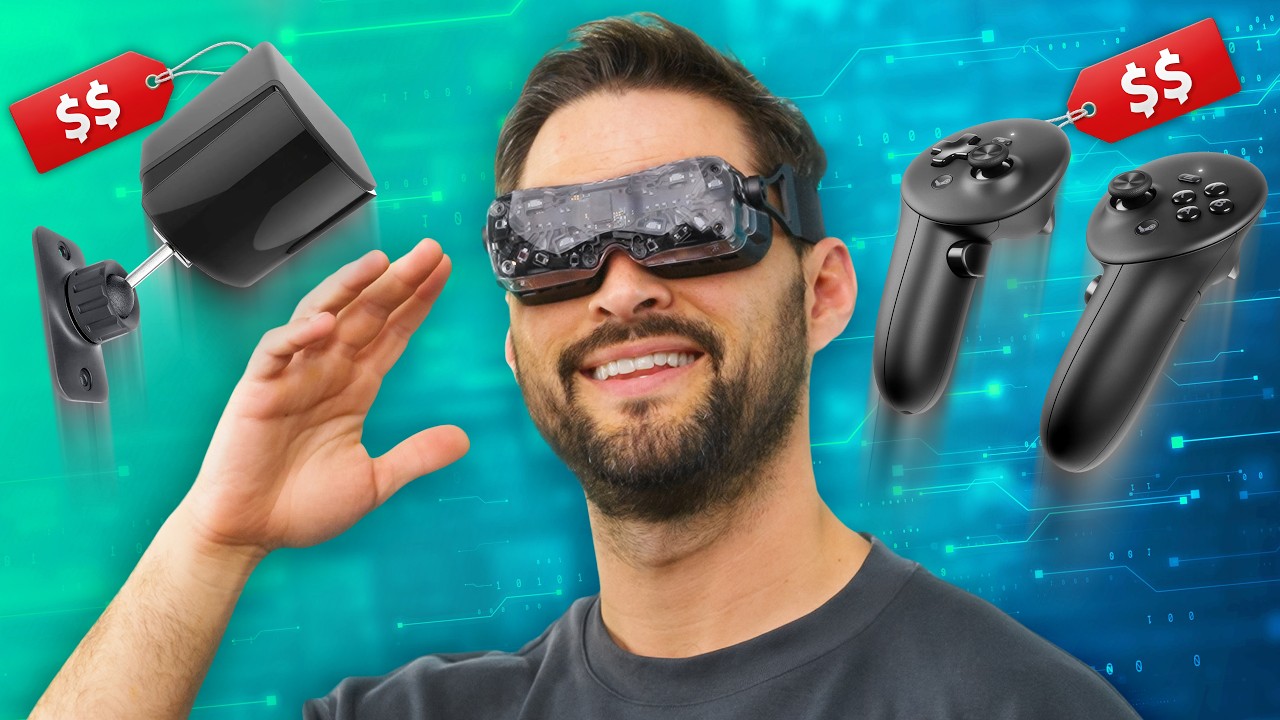
Check out their Home Agent lineup and more below! UGREEN HomeAgent (Reserve from $50, Save 50%) ai.us.ugreen.com UGREEN HomeAgent on Kickstarter bit.ly If you were thinking about getting into the world of VR now that the Steam Frame has launched this video will unpack what all the buzzwords mean, and which ones you should care about. Leave a reply with your requests for future episodes. ► SHOP OUR PRODUCTS: lttstore.com ► GET A VPN: piavpn.com ► GET EXCLUSIVE CONTENT ON FLOATPLANE: lmg.gg ► SPONSORS, AFFILIATES, AND PARTNERS: lmg.gg Chapters -------------------------- 00:00 - The 2026 VR Landscape 01:35 - Full Body Tracking & New Tech 02:21 - Standalone vs. PC VR 03:35 - Eye Tracking & Foveated Streaming 04:07 - Resolution 04:56 - Display Panels 05:16 - Lenses 06:43 - Motion Sickness 07:43 - Weight 08:43 - Controllers 09:44 - Buyer's Guide 10:52 - Final Verdict
AI Overview
Choosing a VR headset in 2026 means weighing more than its headline resolution or price: headsets range from about $350 to over $3,000, and features such as tracking, connection type, lenses, and ecosystem affect the experience. The guide explains six degrees of freedom and contrasts wall-mounted, laser-based outside-in tracking with the more convenient inside-out cameras used by many modern headsets. It also covers full-body tracking, including camera blind spots, drifting motion trackers, and Flexpose’s magnetic trackers. For PC VR, a cable can provide high-quality video with low latency but limits movement, while wireless streaming depends on a strong connection; dedicated wireless links can help. Eye-tracked foveated streaming reduces the detail sent outside the viewer’s focus, while resolution, rendering capability, panel type, lenses, and IPD adjustment all shape image quality.
Topics · science & technology · gaming · vr · buying guide · explainer
Questions answered
- What is the difference between inside-out and outside-in VR tracking?
- Outside-in tracking uses external base stations to track the headset, while inside-out tracking uses cameras on the headset to map the room. Inside-out tracking needs less setup, but cameras can lose sight of controllers held behind the body.
- Is wired or wireless PC VR better for image quality and latency?
- A wired connection can deliver nearly uncompressed video with low latency, but it tethers the user. Wireless streaming allows more freedom but compresses the video and needs a stable, high-bandwidth connection.
- What VR headset features can reduce motion sickness?
- Consistent frame rates, low latency, and avoiding smooth artificial movement can help. The guide notes that stable performance matters more than brief high frame-rate peaks, and that some people adapt over time while others do not.
- Why do VR headset lenses and IPD adjustment matter?
- Pancake lenses can make a headset thinner and keep the image clearer toward the edges, while Fresnel lenses are used in some budget headsets. IPD adjustment matters because a headset that cannot match the distance between a user’s pupils may leave the image blurry.
- Which VR headset is presented as the best value for most buyers?
- The Quest 3, at around $600, is presented as the point where value peaks for most people, largely because it adds pancake lenses over the less expensive Quest 3S.
- What should buyers check about VR headset game compatibility?
- Buyers should check which account, console, PC, and store are required. Quest games are tied to Meta’s store, PSVR 2 requires a PlayStation 5 unless paired with Sony’s PC adapter, and a Steam library can be used with headsets that support SteamVR.