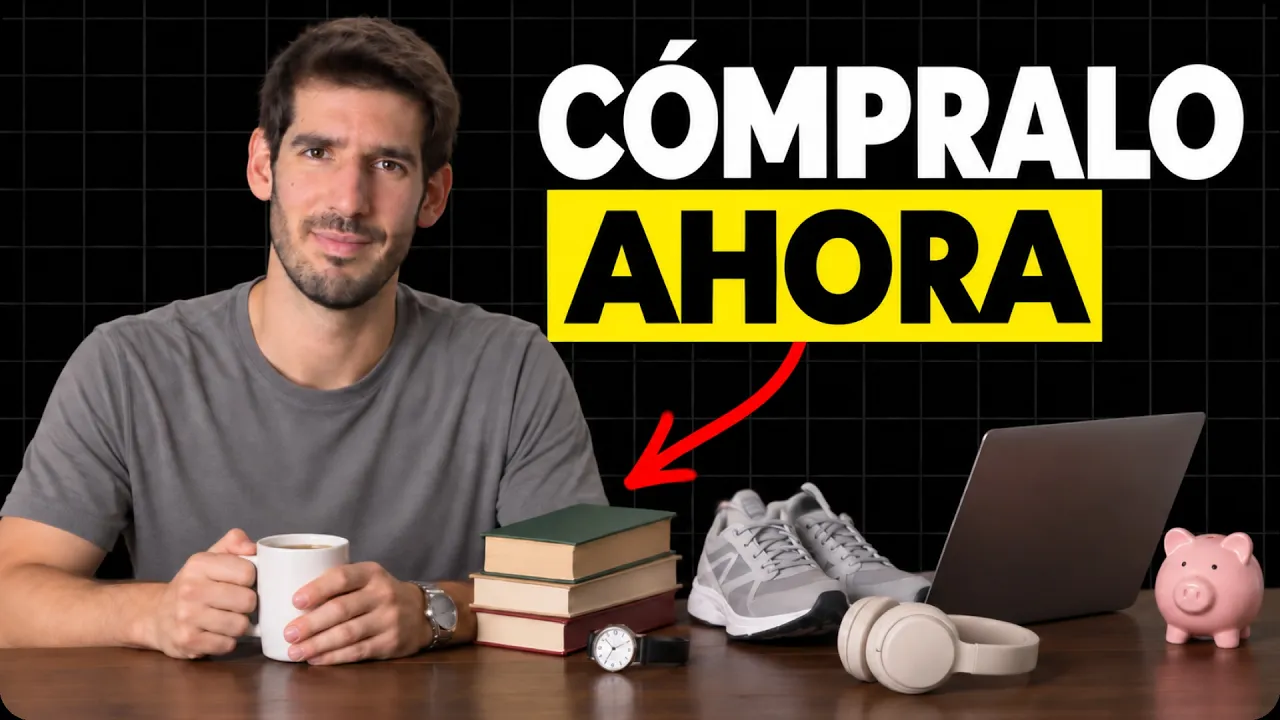
10 COSAS que Deberías Comprar en cuanto Tengas Dinero
This video also has English audio (auto-dubbed). In the player, open Settings → Audio track and choose English.
Your rating
Reactions
AudioSpanish (original)Auto-dubbed: English, Arabic, Portuguese
Description
Empieza a invertir con Mintos y consigue un bono de 25€ por empezar a invertir bit.ly (Bonus por empezar a invertir a partir de 1.500€. Sujeto a condiciones) ¿En qué gastar el dinero cuando empiezas a ganar más? Casi todos los vídeos de finanzas personales te dicen dónde recortar. Aquí hago lo contrario. Vemos las 10 compras que te dan un mayor retorno. Calculamos cuánto vale tu hora y cuándo te sale a cuenta comprar tiempo. Vemos qué herramientas se pagan solas, por qué invertir en habilidades da una rentabilidad que ningún mercado te va a dar y cuánto deberías tener en tu fondo de emergencia. También hablamos de libros de inversión, salud, entorno, del coste real de las comisiones de los fondos y de cómo acumular activos que te compran libertad financiera. Libros mencionados: La vía rápida del millonario, de MJ DeMarco El pequeño libro para invertir con sentido común, de John C. Bogle Cómo ganar amigos e influir sobre las personas, de Dale Carnegie El Almanaque de Naval Ravikant Padre rico, padre pobre, de Robert Kiyosaki ══════ MI NEWSLETTER ══════ Cada semana te enviaré un correo de forma gratuita para que puedas mejorar tus finanzas, invertir mejor y ganar más dinero. Emails que solo se envían una vez y únicamente a las personas que están suscritas.
Promos
Puedes Suscribirte Gratis aquí: invertirparaconseguir.com ══════ SÍGUEME EN MIS REDES SOCIALES ═════ ➤ Instagram: @invertirparaconseguir ➤ TikTok: @invertirparaconseguir ➤ Twitter: twitter.com ══════════════ Marcas de tiempo 00:00 Introducción 0:24 Compra 1 2:20 Compra 2 3:55 Compra 3 5:37 Compra 4 7:49 Ingresos pasivos 9:05 Compra 5 11:15 Compra 6 12:50 Compra 7 15:19 Compra 8 16:52 Compra 9 18:25 Compra 10 20:17 Conclusiones ══════════════ Carlos Barrera Pasán Asesor financiero certificado por EFPA, EIP (nº 20240325) ══════════════ DESCARGO DE RESPONSABILIDAD: Invertir conlleva riesgos. Todo inversor debe realizar un análisis previo antes de tomar una decisión de inversión y ser responsable de sus acciones. El contenido de este canal tiene fines únicamente educativos y en ningún caso supone una recomendación de inversión o asesoramiento financiero. Algunos de los enlaces compartidos son links promocionales. Si decides utilizarlos, yo también me llevaré una recompensa sin que suponga ningún coste adicional para ti. ¡Muchas gracias por apoyar el canal!
AI Overview
The video argues that when income starts to rise, some spending can create more value than simply saving every possible euro. Its first recommendations are to buy back time by delegating tasks when your net hourly value exceeds the cost, and to buy work tools only when they solve a real problem and pay for themselves through increased productivity. It also presents skills and training as investments, using an example where a €1,000 course that raises annual after-tax income by €3,250 could recover its cost in under four months. For financial security, it recommends keeping three to six months of expenses in an emergency fund, with four or five months as the presenter’s preference. The video additionally promotes Mintos as a sponsored platform for loan investments and other assets, while noting that investments carry risk and capital recovery is not guaranteed. It recommends reading useful books, spending on health, and shaping your work and social environment to support the life and habits you want.
Topics · education · personal finance · investing · financial literacy · financial independence
Questions answered
- How much should an emergency fund cover?
- The suggested range is three to six months of expenses. The presenter prefers having about four or five months available, and says people with irregular income may want more.
- How can someone decide whether to pay for help with household tasks?
- Compare the net value of an hour of your time with the cost of hiring help, and delegate when the task costs less than your hourly value and you have a clear use for the time saved.
- When is an expensive work tool worth buying?
- It is worth considering when it solves a genuine work or business problem and its productivity or income benefits justify its cost. The video compares a computer that saves a freelancer time with a camera used rarely for personal trips.
- What kinds of skills does the video recommend investing in?
- It gives examples including sales, negotiation, public speaking, artificial intelligence, languages, and recognized professional certifications. It cautions against training that promises quick wealth without teaching a durable skill.
- How can investment fees affect a long-term portfolio?
- In the example, investing €50,000 for 20 years at a 6% annual market return produces about €114,000 with 1.8% ongoing fees and about €154,000 with 0.2% fees. The video uses this to illustrate how costs can substantially reduce long-term results.


