Your rating
Reactions
AudioEnglish (original)Auto-dubbed: Dutch, French, German, Spanish, Arabic, Bangla, Hebrew, Hindi, Indonesian, Italian+10 more
Description
Thanks to our WAN clips sponsors dbrand and Razer. You can check them out at the links below: dbrand: dbrand.com
Promos
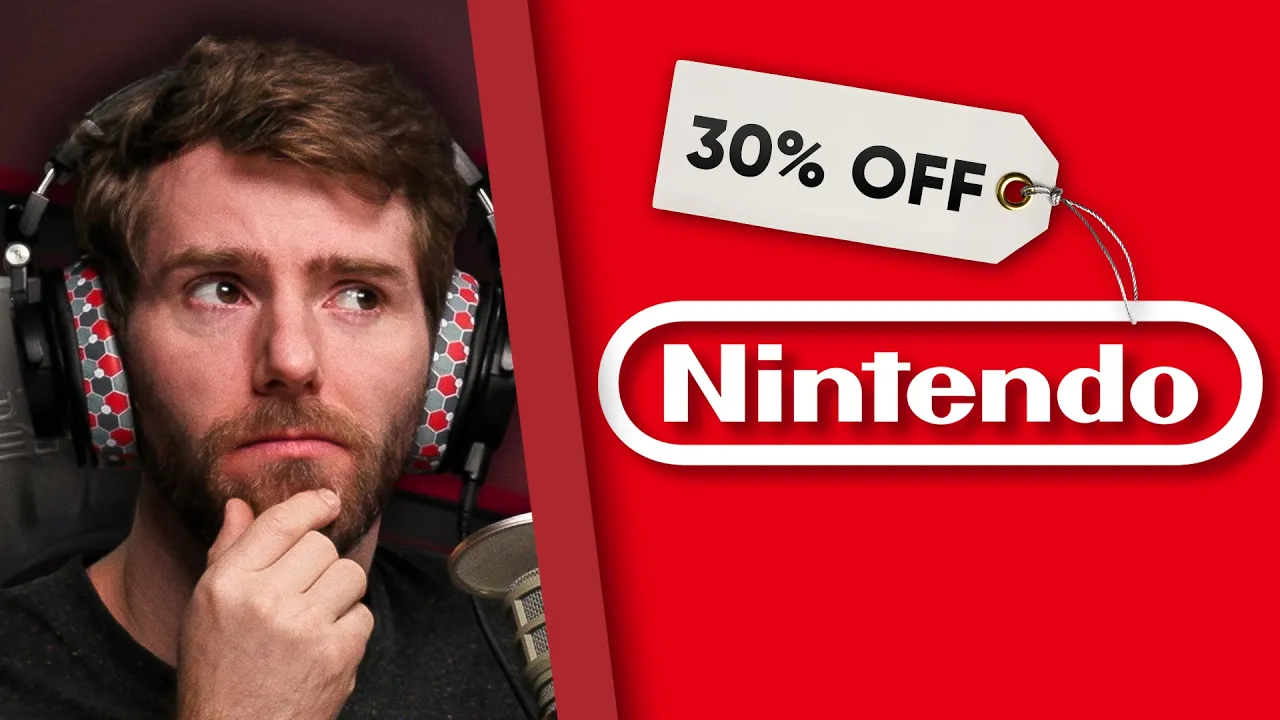
Check out the sleek, powerful new Dell XPS 14: del.ly Game or work in comfort on a Razer Iskur V2: lmg.gg Nintendo is running one of its largest promotions ever and openly credits tariff refunds for making it possible. Linus and Luke discuss whether a sale is the only realistic way to hand that money back, and who was quietly buying up refund rights. Watch the full WAN Show: youtube.com ► SHOP OUR PRODUCTS: lttstore.com ► GET EXCLUSIVE CONTENT ON FLOATPLANE: lmg.gg ► SPONSORS, AFFILIATES, AND PARTNERS: lmg.gg
AI Overview
Nintendo announced a U.S. customer appreciation sale running September 12 to 26, with 30% off dozens of digital Switch games and bundles, plus discounts on select physical games, DLC, accessories, amiibo, and apparel. Nintendo described the promotion as one of its largest ever and said tariff-related refunds helped make it possible, while noting it had absorbed most tariff costs. The discussion also mentions Nintendo’s reported $300 million tariff refund after the tariffs were ruled illegal and its 2025 U.S. hardware price increases, which Nintendo had attributed to tariffs. Linus jokes that an earlier WAN Show discussion might deserve a tiny fraction of the credit for the idea. The hosts consider the sale a way to generate purchases and brand attention while returning some value to customers. Linus and Luke then discuss why direct refunds to all affected buyers would be difficult, especially for people who bought products from independent retailers rather than Nintendo directly. They consider refunds for direct Nintendo purchases and product recalls as possible models, but note that recalls are not really comparable. The conversation turns to who ultimately bore the tariff costs, with Linus arguing that customers paid more while businesses also absorbed costs and lost margin, making a refund program difficult to administer. They also bring up companies buying rights to tariff refunds for pennies on the dollar. Cantor Fitzgerald is named in that discussion, alongside alleged connections involving Howard Lutnick’s children, with the hosts explicitly cautioning that they do not know what the company knew in advance.
Topics · gaming · hardware · podcast · science & technology · opinion
Questions answered
- What did Nintendo's customer appreciation sale offer?
- The U.S. sale offered 30% off dozens of digital Switch games and bundles, along with discounts on select physical games, DLC, accessories, amiibo, and apparel.
- How did Nintendo say tariff refunds helped fund its sale?
- Nintendo said it had absorbed most tariff-related costs and that tariff-related refunds helped make promotions like the sale possible.
- Why might Nintendo have difficulty refunding tariff costs directly to every customer?
- Customers bought through different retailers, and identifying and administering refunds across those purchases would be difficult and costly.
- How much did Nintendo report receiving in tariff refunds?
- Nintendo reported a $300 million tariff refund after the tariffs were ruled illegal.
- What did the discussion say about companies buying tariff refund rights?
- It said companies were seeking to buy rights to tariff refunds for pennies on the dollar, and named Cantor Fitzgerald in connection with that activity.


