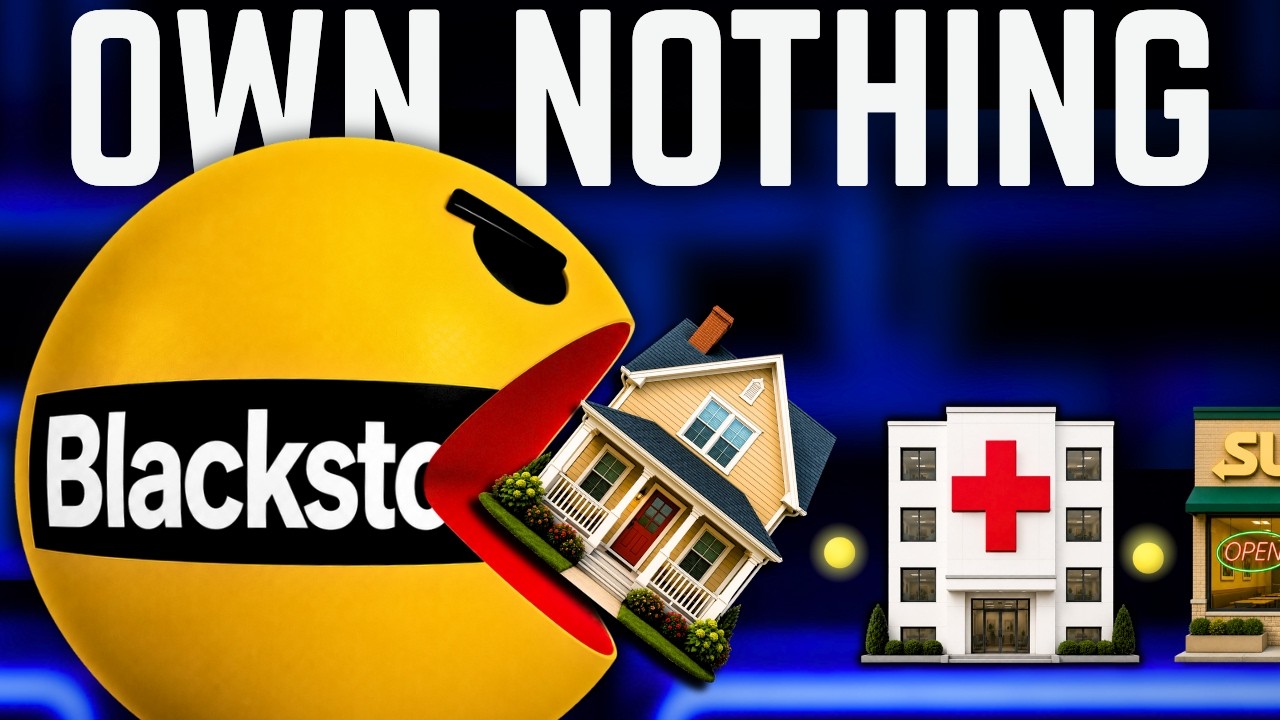
Private Equity Has RUINED Everything
Your rating
Reactions
AudioEnglish (original)Auto-dubbed: Bangla, Indonesian, Polish, Punjabi
Promos
Private Equity Has Turned Life Into A Monthly Subscription. Use code DAMONCASSIDYFB50 to get 50% OFF your first Factor box plus free breakfast for 1 year at bit.ly Private equity has become one of the most influential forces reshaping the modern economy, quietly expanding into industries that millions of people rely on every day. As the cost of living crisis continues to place financial pressure on households, more attention is being directed toward the role private equity plays in housing, healthcare, food production, and the businesses that shape everyday life. What was once considered a specialized corner of Wall Street has become increasingly connected to the prices people pay, the services they receive, and the broader direction of the economy. As private equity firms continue acquiring companies across nearly every sector, conversations surrounding corporate consolidation, leveraged buyouts, and private credit have become increasingly relevant. These financial models influence far more than investors, affecting local communities, workers, small businesses, and the long term health of the job market. At the same time, Gen Z is entering a workforce defined by rising uncertainty, where career opportunities, unemployment, and economic mobility are increasingly shaped by decisions made far beyond the workplace itself. The conversation surrounding private equity also intersects with many of the defining economic issues of the decade. From the cost of living crisis and housing affordability to healthcare, retirement, and the future of work, more people are questioning how financial incentives influence the quality, affordability, and accessibility of essential services. As these discussions continue to evolve, private equity has become a recurring part of broader debates surrounding corporate power, economic inequality, and long term financial stability. Artificial intelligence is adding another layer to this transformation. As AI attracts growing investment across the technology sector, discussions surrounding private credit, debt, and corporate finance have expanded beyond traditional industries. The relationship between AI and private equity highlights how emerging technologies are becoming intertwined with the financial systems funding future growth, raising broader questions about investment priorities, economic resilience, and the incentives shaping tomorrow's economy. The effects of these changes extend well beyond financial markets. Workers navigating layoffs, families facing higher living costs, and young adults beginning their careers are all experiencing an economy influenced by consolidation and changing corporate priorities. Whether discussing the job market, unemployment, housing, or healthcare, private equity has become part of a much larger conversation about who ultimately benefits from economic growth and how those incentives shape everyday life. The future of private equity will influence far more than business headlines. Questions surrounding leveraged buyouts, private credit, artificial intelligence, career opportunities, and the cost of living increasingly reflect a broader debate about ownership, competition, and economic power. These conversations extend far beyond finance, touching nearly every aspect of how people live, work, and build financial security. #financialeducation #financialfreedom #history #factorpartner 0:00 Intro 0:24 Private Equity Is Consuming Everything 1:09 This Is NOT The First Time Private Equity Ruined The Economy 1:57 How A Private Equity Leveraged Buyout Works 2:46 Private Equity Is Fueling The Job Market Crisis 3:45 Private Equity Probably Owns Your Apartment 5:02 Private Equity Will Soon Be The Nations Largest Homebuilder 5:35 How Private Equity RAISES Grocery Prices 6:20 Private Equity Is Bankrupting Our Farms 7:08 Sponsor 8:44 Private Equity Is Taking Over Healthcare 9:41 Private Equity Is Literally Destroying Lives 10:59 Private Equity Just Stole Americans Retirement 11:46 Is Private Credit Going To Crash The Economy? 12:56 A Ton Of Private Equity Funds Aren’t Even “Real” 14:05 My Experience With Blackstone Buying My Dentist 15:45 My Eye Doctor Exposes How Bad This Private Equity Takeover Is 17:13 Will Private Credit Destroy Private Equity? 18:11 What We Can Do To Fight Back Against Private Equity 21:05 You Reading This Could Genuinely Make A Difference In The World Titles for the Algo! Private Equity Has TAKEN OVER The Economy Private Equity Has DESTROYED Everything The OVERDUE Collapse Of Private Equity Private Equity Has RUINED The Job Market
AI Overview
The presenter argues that private equity ownership is spreading across essential industries, including retail, housing, agriculture, and healthcare. The video explains leveraged buyouts with a hypothetical $100 company: a private equity firm supplies about $10 and borrows the remaining $90, with the debt transferred to the acquired company. The presenter says that servicing this debt can lead businesses to raise prices, cut workers, sell assets, reduce investment, or lower service quality. Examples discussed include retail bankruptcies and layoffs, private equity ownership of apartment units, and the consolidation of carrot production. The video also cites research linking private equity ownership in healthcare to higher prices and worse patient outcomes.
Topics · economy · money · jobs · cost of living crisis · finance · housing
Questions answered
- How does a private equity leveraged buyout work?
- A firm may contribute a small share of the purchase price and borrow the rest, then transfer the debt to the acquired company. The business may then cut costs or raise prices to service that debt.
- Why does the presenter say leveraged buyouts can lead to job losses?
- The presenter says companies may cut workers and other costs to generate the profits needed to repay acquisition debt. The video gives examples of retail bankruptcies and layoffs.
- How much of the US apartment market do private equity firms own, according to the video?
- The video cites an estimate of nearly 3 million apartment units, or about 13% of apartments nationwide, with higher concentrations in some states and metropolitan areas.
- What is private credit, and why does the video describe it as risky?
- Private credit consists of loans made outside the traditional banking system, often directly to companies. The presenter highlights limited transparency and oversight, weaker lending standards, and uncertainty about the amount of debt involved.
- What actions does the presenter suggest people take in response to private equity's growth?
- The presenter suggests raising awareness, discussing ownership of local businesses, considering consumer boycotts, and supporting entrepreneurs who retain ownership rather than selling to private equity.


