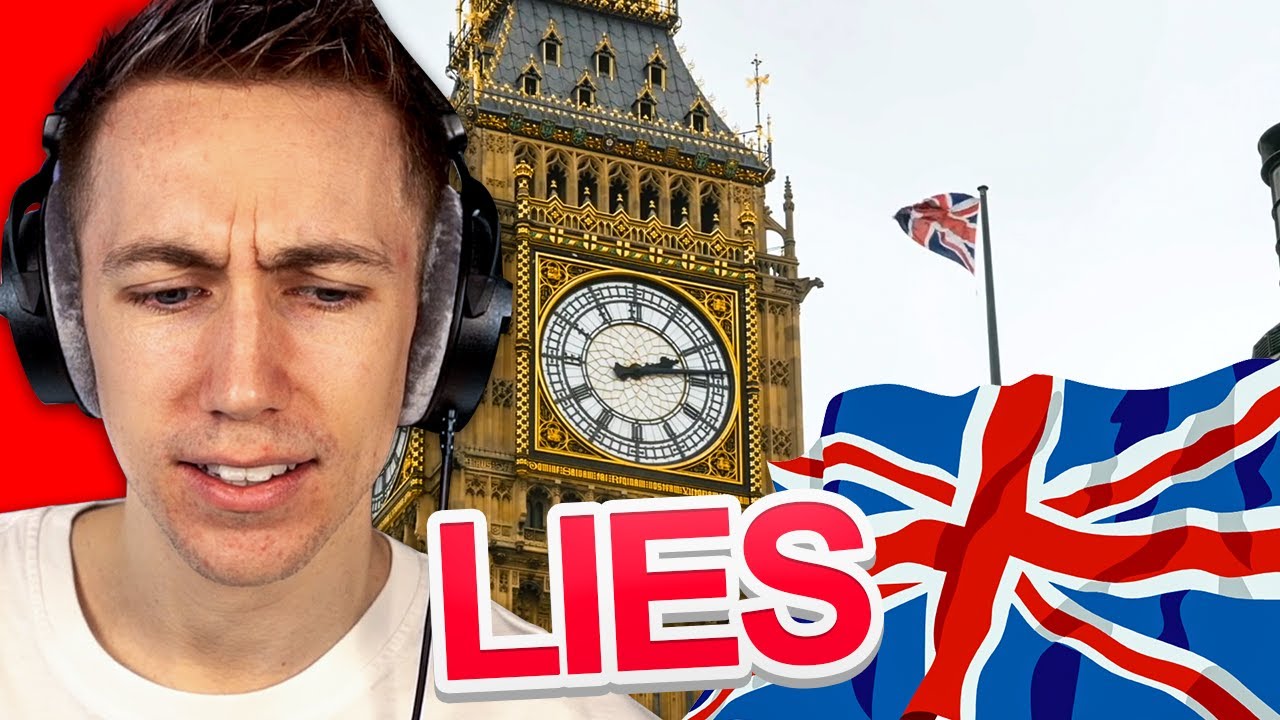
Top 10 Lies You Believe about Britain
Your rating
Reactions
Channels and socials
What do you want us to react to? Use this form - forms.gle PASTE TITLE HERE ORIGINAL VIDEO: (youtube.com : Subscribe to our Shorts Channel: youtube.com
: Sidemen Clothing: sidemenclothing.com Subscribe to our 2nd Channel: youtube.com : Sidemen Instagram: @Sidemen%E2%80%8B%E2%80%8B : Sidemen Twitter: twitter.com #SidemenReacts #Reacts
AI Overview
Simon, Toby, and Harry react to a WatchMojo UK countdown of commonly believed claims about Britain. The segment explains that the monarch does not own every swan: the monarch’s ownership applies to unmarked mute swans in open water in certain areas of the River Thames. The discussion also challenges the idea that London is constantly foggy, noting its history of industrial smog and that fog is not as common today. The Great Smog of 1952 is described as killing around 12,000 people. The hosts joke about whether they could take on a swan after hearing the explanation.
Topics · entertainment · sidemen reacts · history · British culture · geography · trivia
Questions answered
- Does the British monarch own all swans in the United Kingdom?
- No. The monarch’s ownership covers unmarked mute swans in open water in certain areas of the River Thames.
- What is the difference between Great Britain and the United Kingdom?
- Great Britain is the island containing England, Scotland, and Wales. The United Kingdom includes Great Britain and Northern Ireland.
- Is Big Ben the name of the clock tower in London?
- Big Ben is the nickname of the bell, not the tower.
- Do members of the British royal family live full time at Buckingham Palace?
- The palace is described as the Queen’s office and a venue for special events, rather than a full-time home for the royal family.
- What powers does the British monarch have?
- The monarch’s formal powers include summoning Parliament, signing bills into law, appointing or removing ministers, appointing the prime minister, and declaring war. Ministers are entrusted with exercising those powers under the British constitution.


