Your rating
Reactions
Description
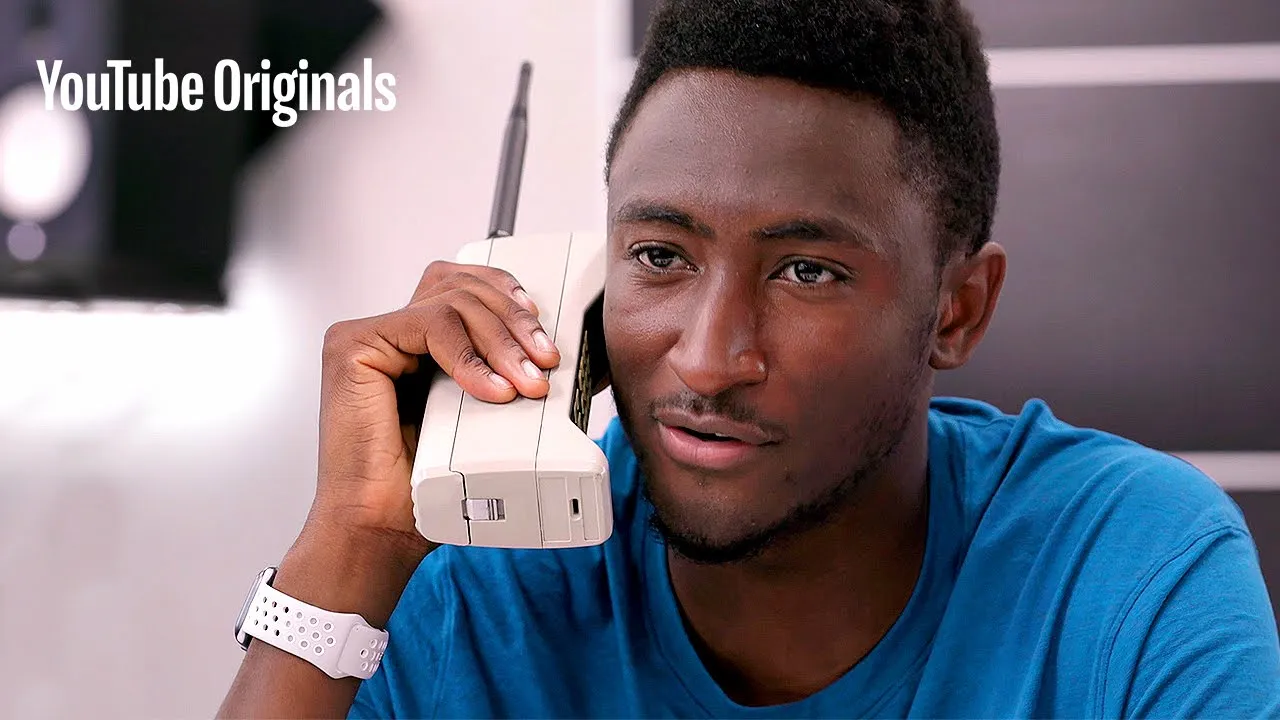
The first ever cellular phone was the Motorola DynaTAC 8000x. It cost $10,295 in today’s dollars and had to charge for 10 hours just to make a 30 minute call. Without the DynaTAC, would we all have cellphones today? I dive into the history and impact of this piece of iconic tech and explores how its release led to our current cell phone obsessed culture. YouTube creators Austin Evans and Sara Dietschy join me to test out some other pieces of retro tech, like a pager and a lipstick cellphone. 0:00 Dynatac 1:02 Unboxing a Dynatac 3:11 Talking Dynatacs 7:46 Initial Reaction 9:31 Dope or Nope 14:25 The Pager 16:26 Texting with Sara Dietschy 21:29 Lasting Tech Legacy
AI Overview
Retro Tech: DynaTAC takes viewers on a carefully staged journey through one of the most iconic milestones in mobile communications. The video opens by anchoring the era before portable phones, highlighting how people were tethered to fixed locations with little privacy, and then introduces the DynaTAC 8000X as the first handheld cellular phone. Marques Brownlee guides the exploration with hands-on focus, unboxing the device and weighing its heft, size, and the clunky but charming design, while contrasting it with modern smartphones to underline the leap in portability and capability. The narrative then delves into Motorola’s race to produce a true mobile phone, spotlighting Marty Cooper and the collaborative sprint with engineers, Bell Labs, and industry competition. Alongside the historical centerpiece, the episode broadens the scope by featuring a panel of creators who try other retro devices, such as a pager and a lipstick phone, to illustrate the diffusion of technology from novelty to everyday utility. The storytelling weaves in pivotal moments: the first phone call made on a DynaTAC in New York, the sheer charging time versus talk time, and the market dynamics that turned a luxury gadget into a cultural obsession, setting the stage for today’s always-connected world. The program closes by framing the lasting legacy of the DynaTAC and pagers, emphasizing how these innovations expanded social connectivity and reshaped expectations for personal communication, while acknowledging the broader shift toward ubiquitous mobile devices and text-first communication. The host team also reflects on how the modern smartphone ecosystem emerged from these early devices, framing the DynaTAC as a foundational artifact in the history of technology, culture, and human relationships.
Topics · technology history · telecommunications · retro tech · cultural impact · innovation · consumer electronics
Questions answered
- What was the DynaTAC 8000X and why is it considered a milestone in mobile tech?
- The DynaTAC 8000X was the first portable handheld cellular phone, released in 1983. It weighed about 1.75 pounds, stood 13 inches tall, could store 30 numbers, required a 10 hour charge for roughly 30 minutes of talk time, and cost around $4,000 at the time (over $10,000 today). It proved that mobile communication could travel with you, laying the groundwork for the smartphone era.
- Who were the key players behind the first cell phone and what was their race about?
- Motorola, led by Dr. Martin Cooper, competed with Bell Labs to develop the world’s first handheld cellular telephone. The race was driven by the expectation of a rapidly expanding market, with Cooper famously making the first public call from a mobile handheld phone, signaling a major leap in wireless technology.
- How did pagers contribute to the evolution of mobile communication?
- Pagers provided a cheaper, more accessible way to stay connected before widespread mobile handsets. They allowed people to receive short numeric or coded messages when away from a phone, inspired new forms of communication vernacular, and helped usher in the text-first communication culture that would later transition into SMS and mobile messaging on smartphones.