I BOUGHT A BROKEN GT3RS THAT PORSCHE REFUSED TO FIX
Your rating
Reactions
Promos
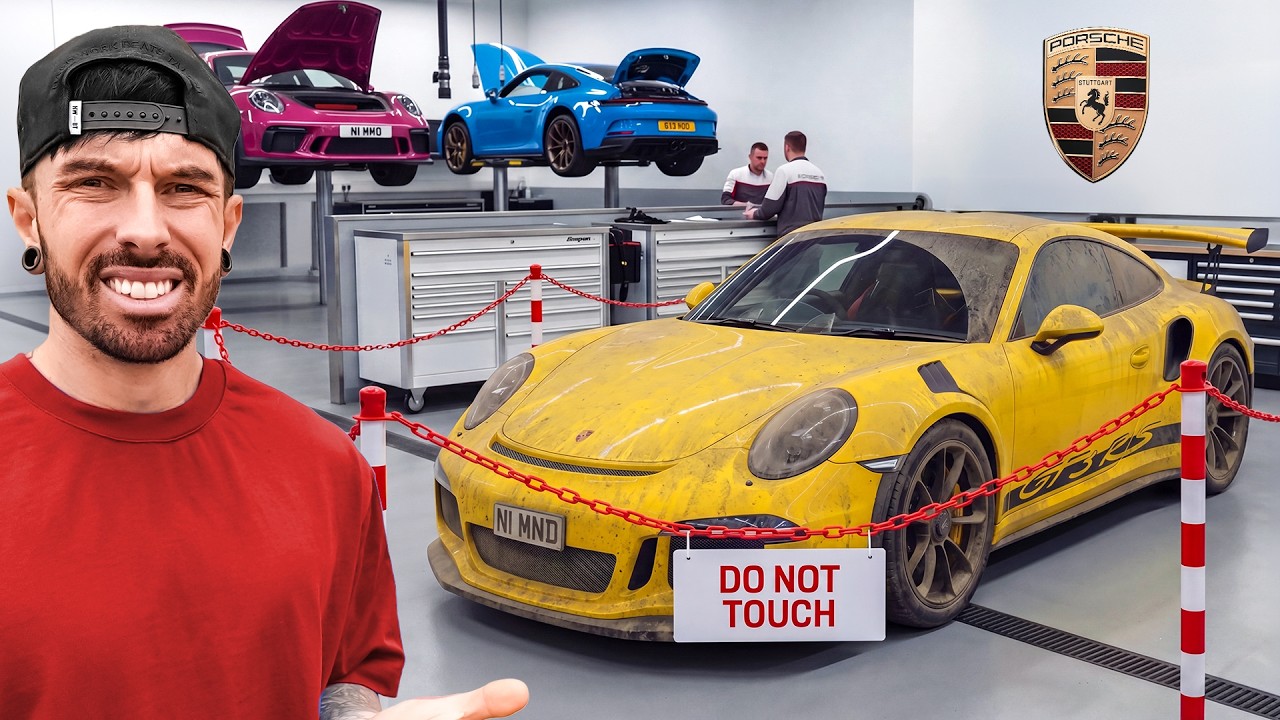
Check if your car was damaged with carVertical - using code MAT for 20% off - carvertical.com I bought a repossed Porsche 911 GT3RS which doesnt run because of an engine fault. But we later found out that the car was previously at Porsche and they refused to fix the problem. I took the risk to buy the car without knowing what the issue was and now i want to repair it then take it back to Porsche.
ALL MA MERCHANDISE
Channels and socials
FOR MORE CONTENT
CHECK OUT MY SECOND CHANNEL
Follow Me Here Aswell
Notes
AI Overview
Mat Armstrong buys a non-running Porsche 911 GT3 RS from a repossession auction, drawn by its clean exterior and the possibility of a bargain despite Porsche having voided its warranty. The car is a well-kept 991-generation model with paint protection film, but it leaks oil and has loose sump plugs, little oil in the engine and no coolant. Initial checks reveal no obvious engine damage, and removing the spark plugs and adding a new genuine battery lets the engine turn over. The team then discovers a fuse for the fuel pump relay sitting on the passenger seat, and refitting it gets the engine running, though it misfires badly. Diagnostic checks point to cylinders four, five and six, as well as camshaft sensor faults on one side of the engine. Compression readings vary, but the team confirms the spark plugs produce a spark and suspects the camshafts are not turning correctly. They remove the engine and find that finger followers are missing from one side, while the intake cam lobes show wear and flat spots. The worn followers and camshafts explain the misfires, and Armstrong orders replacement parts and service items costing about £5,500. During the rebuild, Armstrong replaces the worn intake camshafts and installs finger followers, then times the engine using locking tools and reassembles it with new seals and spark plugs. Porsche explains that the original warranty was voided because engine wear did not appear to match the car's mileage: its computer showed 30 hours of running at an average of about 1.4 miles per hour. The carVertical history check also shows a suspiciously low mileage increase between 2025 and 2026, though the report otherwise appears clean. The engine starts after the rebuild, but misfires on cylinders four and six remain, with live data showing excessive cam timing deviation. The team removes the engine again, checks the timing and finds no obvious error, then learns from Porsche that the cam timing may need a reset using Porsche diagnostic equipment. Reassembling the car and taking it on the road does not solve the problem, and it enters limp mode. Reviewing the footage leads Armstrong to suspect the camshaft variators on the right side were installed in the wrong positions, possibly after the engine had previously been dismantled. He takes the engine out again, swaps the variators into the positions matching the opposite bank and retimes it. After that correction, the engine idles and revs without warning lights, and the team prepares the car for its first test drive and a Porsche inspection. A coolant hose comes loose on the drive, so they trailer the car back, reconnect the hose and vacuum-fill the cooling system before continuing. Porsche completes its 111-point inspection, alignment and air-conditioning work, but does not restore the warranty immediately: Armstrong must own the car for more than 90 days and address items including a suspected wheel bearing, front brake pads and a roll-cage rattle. The engine has no fault codes at collection, and Armstrong estimates the car's value at £135,000 to £140,000 against an £87,000 purchase price and about £5,000 in parts, for roughly £92,000 before labour. The project follows the diagnosis from a car that would not run to a completed engine repair, while showing how several separate issues complicated the rebuild. The team finds the missing valve-train components and worn cam lobes, but the persistent misfires take repeated engine removals to trace to the variator positions. The Porsche inspection identifies additional work and ownership requirements before the warranty can be reconsidered. Armstrong concludes that the purchase still looks financially promising based on his stated purchase price, parts cost and estimated market value, while the warranty outcome remains pending. At the start, the GT3 RS looks immaculate, but an oil leak and a history of warranty refusal make the bargain uncertain. Inspection finds loose sump plugs, very little oil and no coolant, without immediately revealing why the engine will not run. The car turns over after a new genuine battery is fitted, which initially raises hopes that the issue may be less severe than expected. The team still needs to find out why the fuel pump relay fuse was removed and why the previous owner took the car to Porsche. Removing the spark plugs and inspecting the cylinders reveals no obvious catastrophic damage, and the engine turns over with the plugs removed. Reinstalling the fuse gets fuel to the engine, but it runs with a severe misfire and a flashing engine warning light. Diagnostic readings identify misfires across cylinders four, five and six and camshaft sensor faults on that bank. Compression and spark tests provide mixed clues, so the team decides to remove the engine and inspect its valve train. The engine comes out after the rear bumper, trim, connections, driveshafts and suspension components are removed. Once the rocker cover is off, the team finds missing finger followers on one bank, leaving valves closed and helping explain why the engine's behaviour did not match the initial diagnosis. The intake cam lobes also show wear and flat spots, which can prevent the valves from opening properly and cause misfires. Armstrong orders replacement camshafts, followers, oils and service parts, with the parts bill described as about £5,500. The rebuild involves installing new intake camshafts and finger followers, securing the cam variators and checking timing with special tools. Armstrong also replaces seals and spark plugs, then prepares to reinstall the engine. Porsche tells him that the warranty was voided because the wear did not seem consistent with the mileage shown. Its records indicated 30 hours of operation at an average speed of about 1.4 miles per hour, prompting suspicion that a mileage blocker may have been used. The engine starts after the first rebuild, but it continues to misfire on cylinders four and six. Swapping coils does not move the misfires, while diagnostic live data shows the timing deviation reaching far beyond the stated normal limit of plus or minus six degrees. The team suspects a problem with the exhaust cam or its timing and removes the engine again. At top dead centre, the locking tool fits, so they do not find an obvious timing error. Porsche says a cam deviation reset and relearn may be needed after the new camshaft parts are installed, but the team's diagnostic equipment cannot perform the procedure. They put the engine and car back together and try running it, but the misfire and excessive timing deviation remain. The car struggles to rev and enters limp mode, leaving Armstrong doubtful that a software relearn alone explains the problem. He reviews the rebuild footage and reconsiders the camshaft variators. Armstrong notices that the variators on the right bank appear to be arranged differently from the corresponding parts on the left. Because the engine had previously been taken apart at Porsche, he had assumed the variators were in the correct positions and had left them in place during the rebuild. He now suspects the thicker and thinner variators were swapped on the right side, preventing the timing system from operating as intended. The team removes the engine again to switch them and retime the bank. With the variators repositioned and the engine reinstalled, the GT3 RS idles smoothly and revs without dashboard warning lights. The team reinstalls the remaining trim and wheels, then sets off toward Porsche for an inspection and the possibility of regaining the warranty. The car begins to drive, but a coolant hose comes loose and the temperature rises, forcing the team to stop and trailer it back. They reconnect the hose and vacuum-fill the cooling system before trying the journey again. The car reaches Porsche for its 111-point inspection, four-wheel alignment and air-conditioning work. It returns without engine fault codes, but Porsche does not restore the warranty that day because Armstrong has not owned it for the required 90 days. The inspection also identifies a suspected front wheel bearing, worn or rusty front brake pads and a rattle from the roll cage, among other points to address. The shop considers the mileage discrepancy something that may be discussed further, but the warranty is not yet confirmed. Armstrong puts the purchase at £87,000 and says the replacement parts cost about £5,000, bringing the outlay to roughly £92,000 before accounting for labour. He estimates the car could be worth between £135,000 and £140,000 based on its age and mileage. The project therefore ends with the engine running and the car inspected, but with warranty approval still dependent on the ownership period and remaining inspection issues. His final assessment is that the rebuild appears to have been a promising buy, despite the repeated diagnosis and repair setbacks.
Topics · autos & vehicles · porsche 911 gt3 rs · porsche rebuild · rebuilding a car · engine repair
Questions answered
- What caused the Porsche 911 GT3 RS to misfire?
- Worn intake cam lobes and missing finger followers caused valve-train problems. The team later traced the persistent timing issue to camshaft variators positioned incorrectly on one bank.
- Why did Porsche void the GT3 RS warranty?
- Porsche said the engine wear did not match the car's mileage. Its records showed 30 hours of running at an average of about 1.4 miles per hour, which raised suspicion of a mileage blocker.
- Did the GT3 RS get its Porsche warranty back after the inspection?
- No. Porsche did not restore it immediately because the new owner had not owned the car for more than 90 days, and the inspection listed other items to address.
- How much did the GT3 RS cost to buy and repair?
- The purchase price was £87,000 and the parts cost was about £5,000, for a total of roughly £92,000 before labour.