Your rating
Reactions
Channels and socials
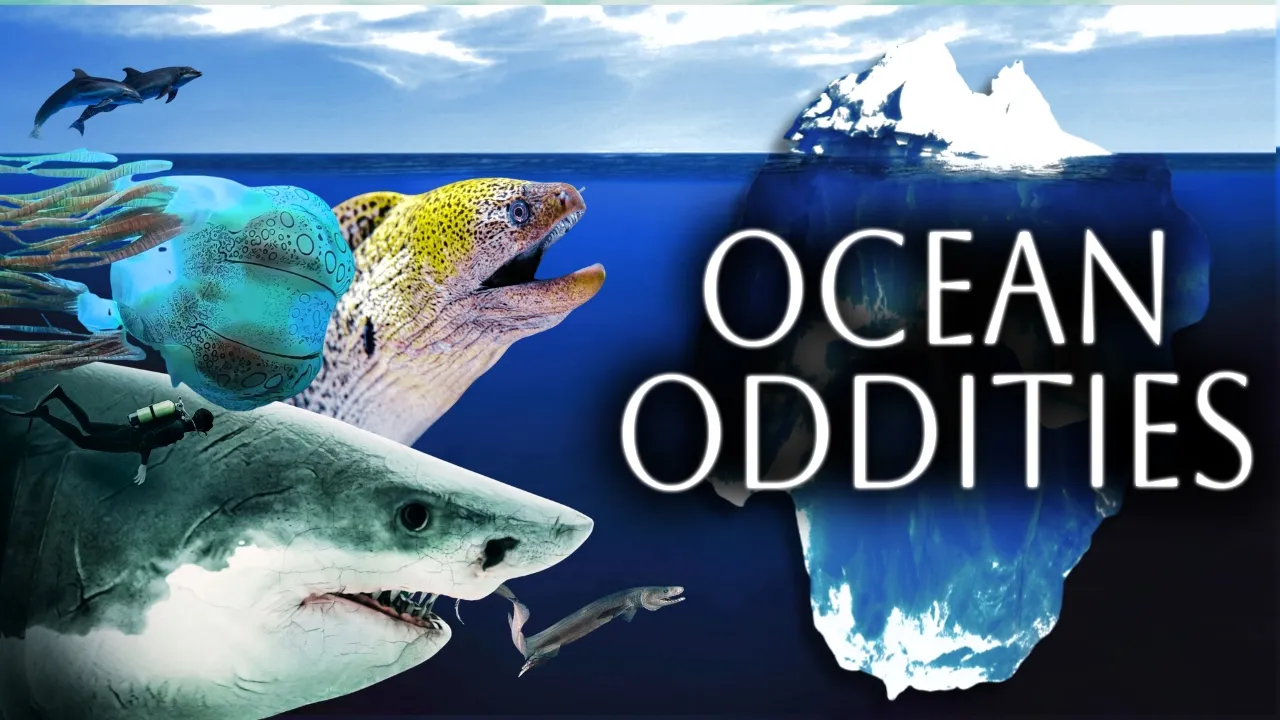
Welcome everyone to the Ocean Oddities Iceberg, which will cover many mysteries, cryptids, obscurities and more. I hope you all enjoy, and thank you for watching! Copyright disclaimer under section 107 of the copyright act 1976, allowance is made for fair use for purposes such as criticism, comment, news reporting, teaching, scholarship, and more. no copyright infringement intended. Iceberg Chart Source: reddit.com - u/The_Blackstallion Background video: youtube.com - Longplay Studio 313
AI Overview
This four-hour iceberg covers more than 150 ocean-related entries, from unusual marine biology and natural phenomena to shipwrecks, sea-monster reports, and unexplained sightings. It moves from familiar topics, such as the claim that megalodon might still exist, toward increasingly obscure stories and scientific questions. The opening contrasts the claim of living megalodons with documented oddities, including the ocean’s reported darkening and a whale recorded calling at an unusual frequency. Throughout, the narration separates observations and established explanations from speculation or unverified accounts. The result is a broad tour of ocean mysteries rather than an argument that every strange story is true.
Topics · entertainment · iceberg explained · mystery · unexplained · cryptid · marine biology · folklore
Questions answered
- What does the ocean oddities iceberg cover?
- It covers more than 150 entries about ocean phenomena, marine life, unexplained reports, cryptids, historical shipwrecks, and other obscure subjects.
- Is there confirmed evidence that megalodon still lives in the ocean?
- No confirmed physical evidence of a living megalodon is presented. Stories such as allegedly recent-looking teeth have possible explanations that do not establish the shark’s survival.
- What causes square waves, also called cross seas?
- They form when two wave systems generated by different weather systems meet at roughly perpendicular angles. The intersecting waves can also create dangerous, unpredictable currents.
- What are globsters, and why are some identified as whale remains?
- Globsters are unidentified organic masses washed ashore. Decomposing whale tissue can lose recognizable features, and analysis of preserved material from the St. Augustine monster found collagen consistent with whale tissue.
- How do ocean dead zones form?
- Excess nutrients, especially nitrogen and phosphorus, can fuel algae blooms. When the algae die and decompose, bacteria consume dissolved oxygen, leaving water with too little oxygen for many animals.
- What is unusual about the 52-hertz whale?
- Its recorded calls are at about 52 hertz, higher than the call frequencies described for known whale species. The signal has been tracked since 1989, but the animal has not been visually confirmed.
- What is the leading explanation for the Baltic Sea anomaly?
- The current consensus described is that it is a natural glacial formation. Samples recovered from the site included granite and sandstone.
- How can one siphonophore be described as a colony and a single animal?
- A siphonophore consists of many connected zooids, each specialized for functions such as movement, digestion, or capturing prey. The zooids work together as a coordinated unit, and the 2020 Apolemia specimen off Western Australia was estimated to be about 150 meters long.