Your rating
Reactions
Promos
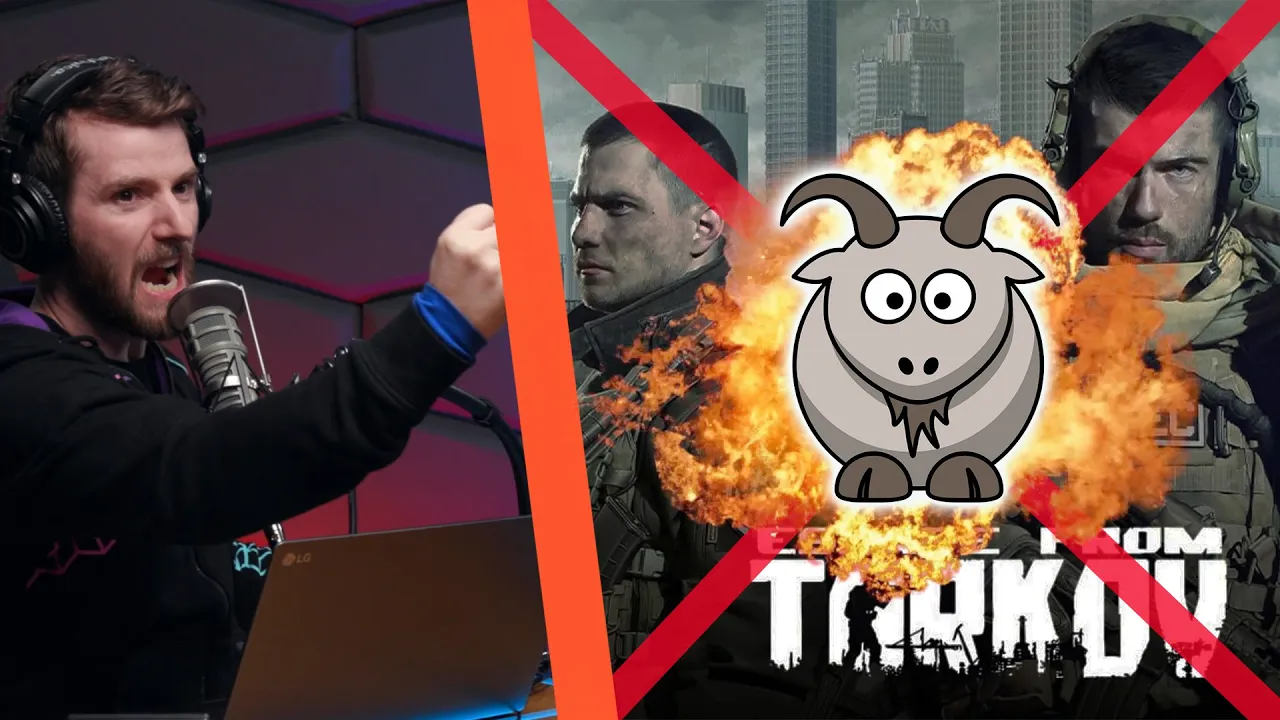
Luke and Linus discuss the fallout from G0at’s video exposing cheating in Tarkov. G0at video here: youtube.com Watch the full WAN Show: youtube.com ► GET MERCH: lttstore.com ► LTX 2023 TICKETS AVAILABLE NOW: lmg.gg ► GET EXCLUSIVE CONTENT ON FLOATPLANE: lmg.gg ► SPONSORS, AFFILIATES, AND PARTNERS: lmg.gg ► OUR WAN PODCAST GEAR: lmg.gg FOLLOW US ON SOCIAL --------------------------------------------------- Twitter: twitter.com Facebook: @LinusTech Instagram: @linustech TikTok: @linustech TikTok (LMG Clips): @_lmgclips_ Twitch: twitch.tv
AI Overview
Linus and Luke discuss G0at’s investigation into cheating in Escape from Tarkov, which involved using cheats to identify and document other players’ behavior. They explain that the cheat shown could reveal player locations, aim direction, wallside positions, and inventory, while more advanced tools may use a separate monitor to display a radar. The hosts say the game’s lack of a replay or kill-cam system makes it difficult for players to tell whether a death was caused by cheating. They describe the investigation as a major shock to the Tarkov community because cheating can change the game’s high-stakes encounters so substantially. The conversation turns to the video’s sudden spread, including arguments on the Escape from Tarkov subreddit over whether posts about it should be allowed. Moderators initially removed many posts, then allowed a WAN Show clip discussing the topic to remain with comments locked, before a post about the original video was later pinned. Tarkov creators were also urged to watch the video while live, prompting immediate reactions from people who had little time to review it or gather their thoughts. Linus and Luke suggest that some creators’ close ties to the game and its community could make the news feel personally threatening, while noting that the nature and transparency of those relationships are not always clear. Linus and Luke compare the incentives facing Tarkov creators with those of creators whose work depends heavily on one game or company. They discuss a poll shared in the conversation that reportedly found 41 percent of respondents planned to leave Tarkov after the revelations, while cautioning that cheating exists across multiplayer games. They argue that wall visibility can be especially powerful in Tarkov because knowing where opponents are can matter even without an aimbot, and deaths can cost players valuable equipment. The hosts also reflect on how easy access to paid cheat services may have changed the scale of the problem compared with cheating in earlier eras. The hosts consider whether single-player games and multiplayer games face different pressures, then return to possible ways to address cheating in Tarkov. They support a replay system as a way for players to inspect suspicious deaths, distinguish cheating from legitimate shots, and help developers focus reports, though they do not present it as a complete solution. They also discuss possible systems for returning gear after a confirmed cheater is banned, and the importance of stronger anti-cheat work and enforcement. Luke says Battlestate Games had reportedly begun banning people connected to cheaters or real-money trading, a policy that can create confusion around established practices such as viewer kits. The discussion also examines Battlestate Games’ public response, including posts about anti-cheat measures that viewers noticed resembled earlier statements. Linus and Luke say the company had continued communicating through posts and an AMA, but that meaningful technical changes would take time; they also mention a reported ban wave of more than 4,000 cheaters over a weekend. They debate whether cheater account purchases create a financial incentive for the developer, but stress that they cannot establish that this is the reason anti-cheat work is insufficient. Luke suggests that anti-cheat may be difficult and less visibly rewarding to prioritize when players are focused on other problems, while both hosts conclude that Tarkov has a large backlog of competing development needs. In the later discussion, Linus criticizes some of Tarkov’s cumbersome inventory management, comparing a basic item-placement interaction unfavorably with a quality-of-life feature in Diablo. The hosts then return to the costs of development and argue that anti-cheat work may be unattractive when it competes with other features and technical problems. They end by recommending that viewers watch G0at’s longer investigation and point out how quickly it gained views. The overall discussion treats the exposure as a serious community and trust issue, while separating confirmed details from speculation about creator incentives and the developer’s motives.
Topics · gaming · podcast · opinion · clip · science & technology
Questions answered
- Why can cheating have an especially large effect in Escape from Tarkov?
- Information cheats can reveal opponents’ locations and actions, which is especially consequential in a game where deaths can cost players valuable equipment.
- How could a replay system help address cheating in Escape from Tarkov?
- Replays could let players and developers review suspicious deaths, help distinguish cheating from legitimate shots, and reduce unsubstantiated reports. A replay system alone would not eliminate cheating.
- Why did some Tarkov creators react strongly to G0at’s cheating investigation?
- Some creators were urged to watch and react while streaming, leaving little time to review the investigation or prepare. The discussion also raises the possibility that creators closely tied to Tarkov could feel that the game’s problems threaten their work.
- What anti-cheat responses from Battlestate Games are discussed?
- The hosts discuss Battlestate Games’ public statements and AMA, a reported weekend ban wave of more than 4,000 cheaters, and work on a replay system. They note that substantial technical changes take time.