Your rating
Reactions
Description
Thanks to our WAN clips sponsors Dell, dbrand and Razer. You can check them out at the links below: dbrand: dbrand.com
Channels and socials
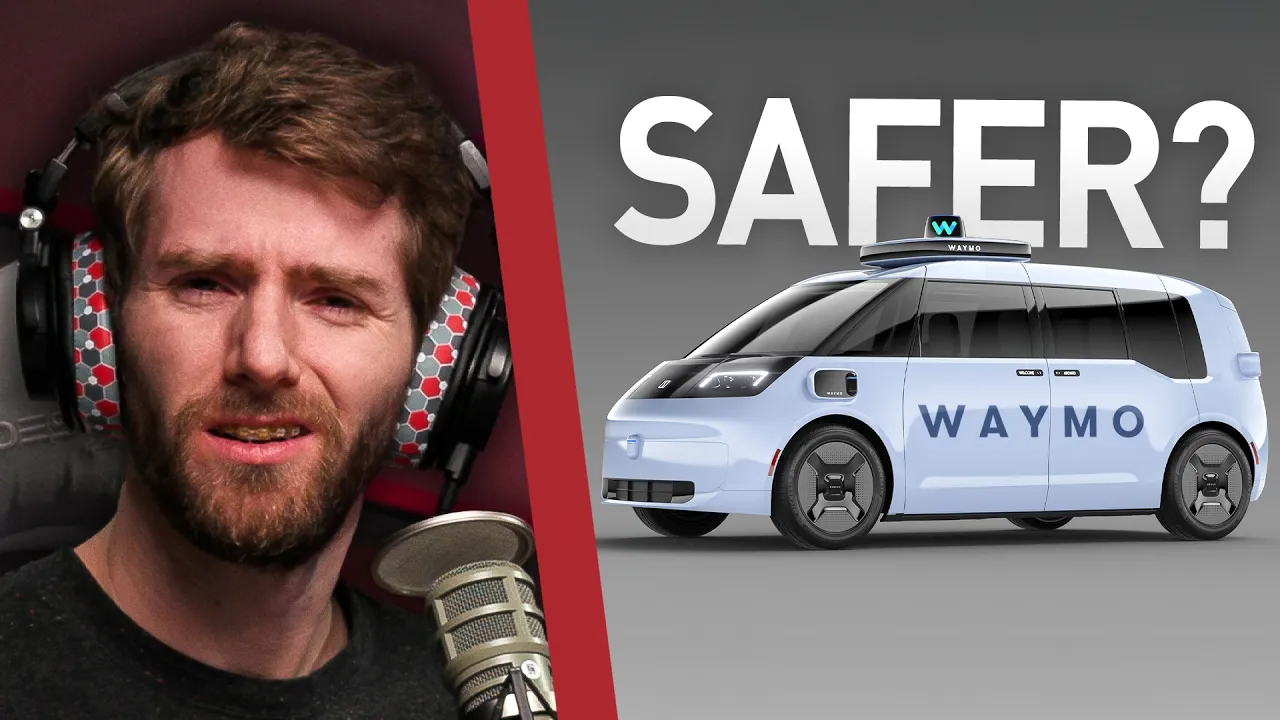
Check out the sleek, powerful new Dell XPS 14: del.ly Game or work in comfort on a Razer Iskur V2: lmg.gg Waymo claims its robotaxis have avoided 841 injury crashes across 271 million driverless miles. Linus and Luke discuss how much to trust those numbers, Tesla's lack of transparency, and why motion sickness might make a fully autonomous car useless for Luke. Watch the full WAN Show: youtube.com ► SHOP OUR PRODUCTS: lttstore.com ► GET EXCLUSIVE CONTENT ON FLOATPLANE: lmg.gg ► SPONSORS, AFFILIATES, AND PARTNERS: lmg.gg
AI Overview
Waymo reports that its driverless vehicles avoided 841 crashes that would have caused injuries if human drivers had been behind the wheel. The estimate compares Waymo’s actual crashes with crash-report rates for human drivers in the areas where Waymo operates, multiplied by Waymo’s mileage there. The company says the figures cover 271 million fully driverless miles from September 2020 through June 2026, including 175 estimated avoided crashes involving pedestrians, cyclists, or motorcyclists and 55 that would have caused serious injuries or worse. Waymo reports 0.67 injury-causing crashes per million miles against a human-driver benchmark of 3.77, but the hosts caution that these are company figures and may be more promotional than definitive. They note that independent analyses have found crash reductions, though smaller ones, and discuss the lack of comparable Tesla data and the value of comparing Waymo with professional drivers.
Topics · science & technology · podcast · opinion · clip
Questions answered
- How did Waymo estimate that its robotaxis avoided 841 injury crashes?
- Waymo compared its actual crashes with human-driver crash-report rates in the areas where it operates, multiplied those rates by its miles driven, and counted the difference as avoided crashes.
- What injury crash rates does Waymo report compared with its human-driver benchmark?
- Waymo reports 0.67 injury-causing crashes per million miles, compared with a human-driver benchmark of 3.77 per million miles in its operating cities.
- Why is Luke hesitant about using a fully autonomous car?
- Luke says he experiences motion sickness as a passenger, which makes the idea of reading, working, or relaxing in an autonomous car less appealing.
- Do on-screen motion-sickness dots solve Luke's motion sickness?
- Luke says a third-party app that displayed movement cues seemed to give him more time, but it did not solve the problem.


