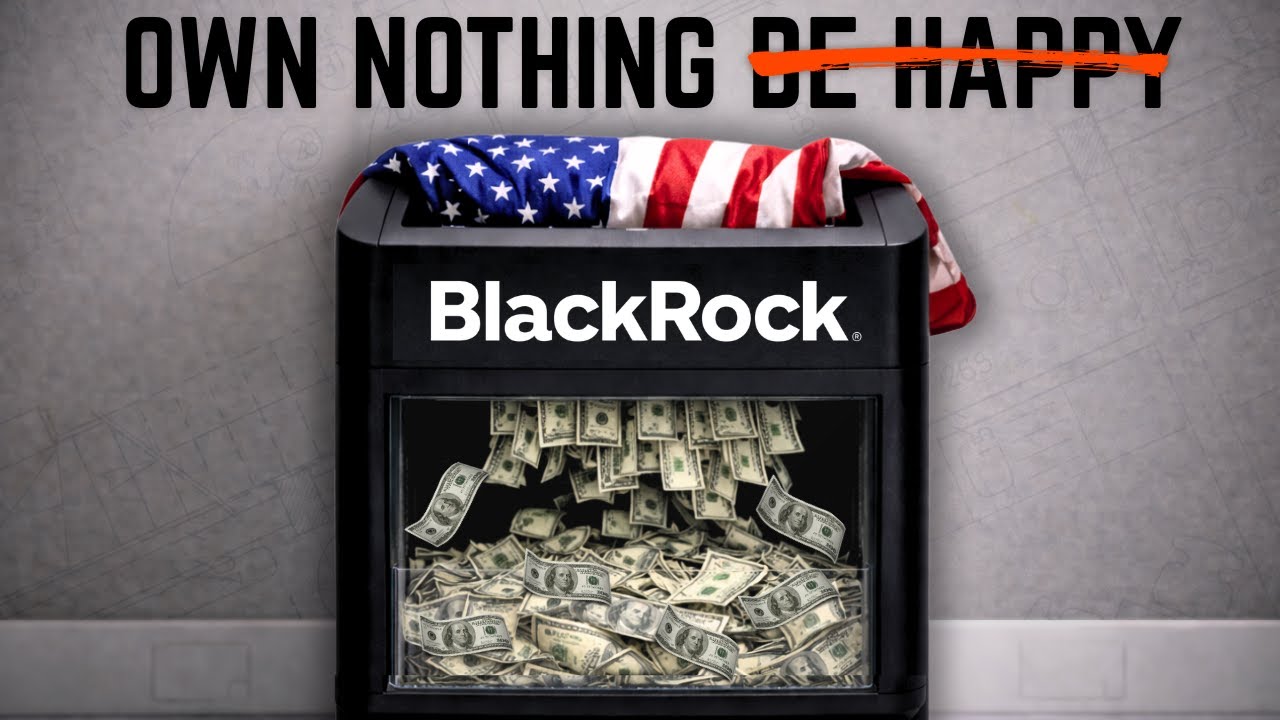
Gen Z Is Being PRICED Out Of Their Own Country
Your rating
Reactions
AudioEnglish (original)Auto-dubbed: French, German, Spanish, Hindi, Indonesian, Italian, Portuguese
Description
Gen Z Is Facing A Cost Of Living Crisis That Is About To Get Worse In 2026. Help STOP Factory Farming And Receive A 50% Boost From Larger Donors: farmkind.giving Gen Z is coming of age during one of the most economically restrictive periods in modern history, facing a cost of living crisis that touches nearly every aspect of daily life. From housing and rent to groceries, healthcare, transportation, and education, the basic cost of survival has risen faster than wages, creating a growing sense that financial stability is permanently out of reach. What was once considered a normal path to adulthood is now defined by debt, instability, and shrinking opportunity, raising serious questions about whether the system still works for younger generations at all. The housing crisis sits at the center of this pressure. Home prices, rent, and down payments have climbed to levels that far outpace income growth, leaving many Gen Z adults priced out of homeownership before they even begin. This is no longer just about buying a house, but about being locked out of long term wealth building entirely. As ownership becomes less attainable, renting becomes more expensive, trapping people in a cycle where a larger share of income is consumed by housing costs alone. This dynamic feeds directly into broader wealth inequality, where assets concentrate at the top while younger workers struggle to save anything meaningful. At the same time, the job market collapse has reshaped what work looks like for Gen Z. The job search process is more competitive, more automated, and more opaque than ever before. Entry level roles demand years of experience, wages lag behind inflation, and job security feels increasingly fragile. Even full time employment no longer guarantees stability, forcing many to take on multiple jobs just to keep up with rising expenses. This erosion of bargaining power has turned work into survival rather than progress. Debt has become the bridge holding everything together, and for many, it is collapsing. Gen Z debt continues to grow as credit cards, student loans, medical bills, and everyday expenses pile up. What begins as short term borrowing to cover necessities quickly turns into a long term debt crisis that limits future options. Gen Z debt is not driven by excess or luxury, but by the simple cost of living in an economy that demands more while offering less in return. This pressure is not isolated to one industry or one policy decision. It is the result of structural changes that have reshaped housing, labor, healthcare, and finance simultaneously. As prices rise and access narrows, the burden shifts onto individuals who are told to work harder, save more, and sacrifice longer, even as the rules continue to change against them. The gap between effort and reward grows wider, reinforcing a sense that the system prioritizes profits over people. The cost of living crisis facing Gen Z is not just an economic issue, but a generational one. It influences mental health, family formation, mobility, and long term stability. When basic milestones become unattainable, expectations shrink and dreams are deferred. This moment represents a turning point, where questions about fairness, opportunity, and economic sustainability can no longer be ignored. Gen Z is not being impatient or entitled. They are responding to an economy that has steadily priced them out of their own country. #financialeducation #financialfreedom #history 0:00 Intro 0:24 Why Each Generation Faces A Worst Cost Of Living 0:43 Why Gen Z Is Entering A Gilded Age 2.0 2:16 The Cost Of Living Your Parents/ Grandparents Enjoyed 3:04 Why Gen Z Is STILL Waiting On The “Glory” Of Trickle Down Economics 3:41 The REAL Reason Gen Z Is Facing A Housing Crisis 4:29 Why America Is Drowning In Luxury Apartments 5:06 Why Institutional Investors Are Buying All The Single Family Homes 5:56 Why Gen Z Is Being Forced To Skip Meals 7:33 How I Combat Food Monopolies 8:55 Why The Job Market Is UNBELIEVABLY Consolidated (Factually Proven) 9:55 How Big Tech Is Ushering In The Next Gilded Age 11:12 Why Gen Z Is Facing The Worst Job Market In Decades 11:33 My Personal Experience With ALWAYS Working 2+ Jobs 12:07 Why Gen Z CAN’T Afford Healthcare (Immense Greed) 13:17 Why Healthcare Costs Are Closing Small Businesses 13:47 How I Was Almost Bankrupted By Medical Debt 15:22 Why Gen Z Is Facing A Global Cost Of Living Crisis 16:19 How To Address The Cost Of Living Getting Worse In 2026 19:22 Why You Can't Pull Yourself Up By Your Bootstraps Out Of An Economic Collapse Titles for the Algo! Why Gen Z Is Facing A Cost Of Living Crisis Why Gen Z Is Being PRICED OUT Of Their Own Country Why Gen Z Is Being Priced Out Of Their OWN Country Why Gen Z Is Getting Priced Out Of Their Own Country Gen Z Is Getting PRICED OUT Of Their Own Country
AI Overview
The video argues that Gen Z is facing a cost-of-living crisis driven by concentrated corporate power, rising prices, and wages that have not kept pace. It compares current economic conditions with the Gilded Age and says weakened antitrust enforcement and labor protections have reduced workers’ bargaining power. In housing, it points to concentrated homebuilding, a shortage of lower-cost rentals, and investor purchases as factors that make buying and renting less affordable. It also cites high levels of rent burden and says many young buyers rely on help from parents. The video connects consolidation in food production to higher household costs, including an integrated promotion for FarmKind’s animal-welfare charities. Its central claim is that the gap between work and financial stability has widened for younger Americans.
Topics · education · cost of living crisis · job market · housing · wealth inequality · healthcare
Questions answered
- Why does the video say Gen Z is being priced out of homeownership?
- It points to rising home prices and rents, limited lower-cost housing construction, concentrated homebuilding, and institutional investment in single-family homes. It also says many young buyers who do purchase rely on financial help from parents.
- How does corporate consolidation affect workers in the job market?
- The video argues that when a small number of employers dominate local labor markets, workers have fewer job options and less bargaining power, which can put downward pressure on wages.
- What does the video say about Gen Z’s ability to afford healthcare?
- It says rising insurance and medical costs can lead young adults to skip appointments, discourage self-employment, and leave people exposed to substantial medical bills.
- What personal work experience does the host describe?
- The host says he has worked at least two jobs since age 16, at one point held a full-time job alongside two part-time jobs while studying, and later worked 60 to 75 hours a week while still being unable to afford a home near his hometown.
- What does the FarmKind promotion offer viewers?
- The promotion invites viewers to donate to recommended animal-welfare charities or FarmKind’s impact fund. It says code Damon provides a 50% boost from larger donors.


