Your rating
Reactions
Promos
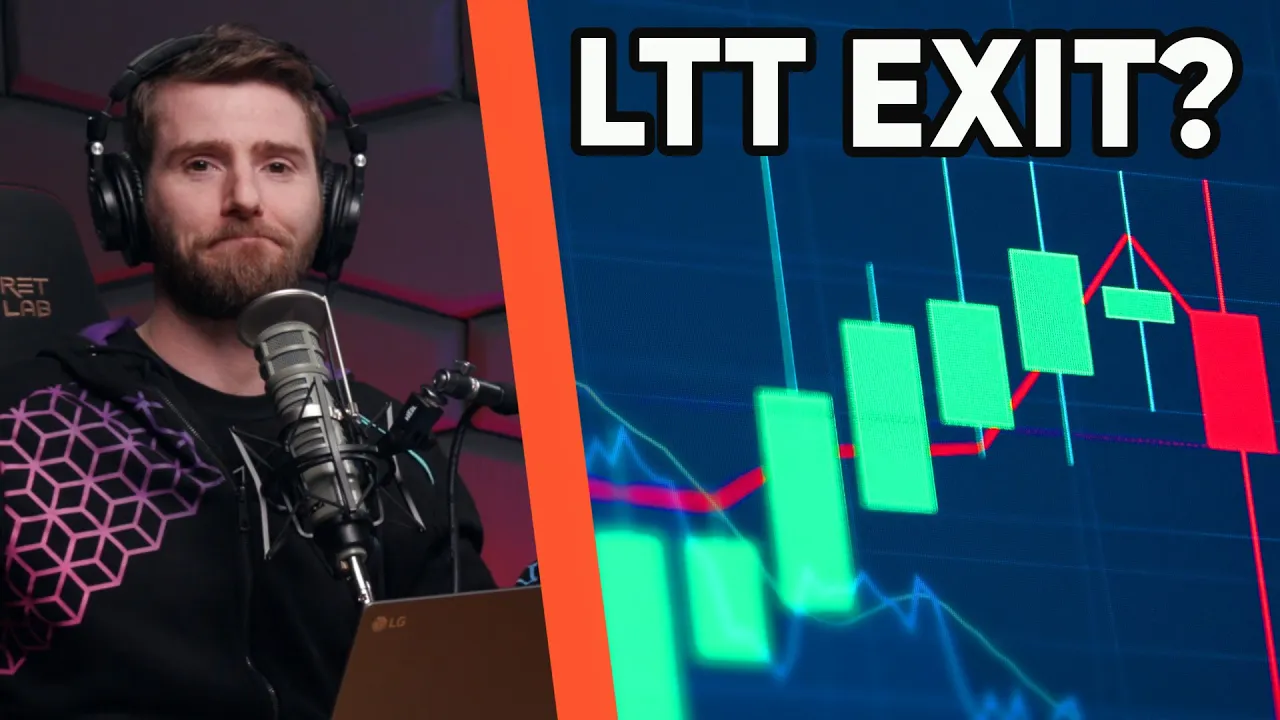
Linus answers a Merch Message about his biggest Regret. Watch the full WAN Show: youtube.com ► GET MERCH: lttstore.com ► LTX 2023 TICKETS AVAILABLE NOW: lmg.gg ► GET EXCLUSIVE CONTENT ON FLOATPLANE: lmg.gg ► SPONSORS, AFFILIATES, AND PARTNERS: lmg.gg ► OUR WAN PODCAST GEAR: lmg.gg FOLLOW US ON SOCIAL --------------------------------------------------- Twitter: twitter.com Facebook: @LinusTech Instagram: @linustech TikTok: @linustech TikTok (LMG Clips): @_lmgclips_ Twitch: twitch.tv
AI Overview
Linus is asked to name his biggest regret, and initially jokes that it might be turning down a major offer for LMG. He clarifies that he has not regretted declining it, though he thinks 2022 would have been the strongest time to sell because the company was growing rapidly before major reinvestment costs arrived. He expects 2023 and 2024 to be reinvestment years, with profitability lower than the prior year while LMG remains profitable. He explains that buyers consider both current earnings and expected growth when valuing a company, and says he would rather stay involved because he has unfinished business and believes in the company’s plans. The conversation shifts to old files Linus found while organizing, including archived forum screenshots and a record of a server host mistakenly giving the team access to someone else’s server. He also considers whether past dealings with Facebook could count as a regret, but says LMG followed its ethical limits, including being willing to address account requirements in a Quest-related sponsored video. He gives a Micron factory tour as an example of negotiating business terms, then jokes with the others about an old NCIX-era invoice. The stories lead into a discussion of a colleague’s early financial hardship, including being paid five Canadian dollars per LTT video, living on very little, and sleeping on a cot. Linus and his colleague reflect on how their early work grew from a plan to collaborate for only four to eight hours a week into a much larger media operation. The colleague recalls studying full-time while working long hours and sometimes falling asleep during recordings. Linus contrasts that era of personal overwork with LMG’s current strategy of building competitive barriers, or “moats,” through specialized staff, expensive lab equipment, and business relationships. He says those advantages are more sustainable than relying on people to work all night. The final section briefly returns to the idea of barriers to entry, then veers into a lighthearted discussion of an LTT Christmas album. Linus and Dan joke about whether it should be remastered, how many copies have sold, and whether an unauthorized Bandcamp upload might exist. Linus says the album should not be sold through the LTT Store and jokes that people can find the pirated version, while also saying not to pay for it. The exchange ends with Linus insisting that Dan will not be making a new version, keeping the segment’s informal, conversational tone.
Topics · clip · podcast · opinion · science & technology · business
Questions answered
- Does Linus regret declining the offer to sell LMG?
- No. Linus says he has not regretted declining the offer, although he believes 2022 would have been the best time to sell based on the company's rapid growth at the time.
- Why did Linus think 2022 was the best time to sell LMG?
- LMG was growing rapidly before anticipated reinvestment costs, while Linus expected 2023 and 2024 to bring lower profitability and slower growth.
- What does Linus mean by a business moat?
- A moat is a barrier to entry or competitive advantage, such as experienced staff, costly lab equipment, and business relationships.
- How did LMG's early work arrangement change?
- A planned four-to-eight-hour weekly collaboration expanded quickly into more production and projects, with the work becoming far less sustainable alongside full-time studies.


