Your rating
Reactions
AudioEnglish (original)Auto-dubbed: Dutch, French, German, Spanish, Arabic, Bangla, Hindi, Indonesian, Italian, Japanese+8 more
Description
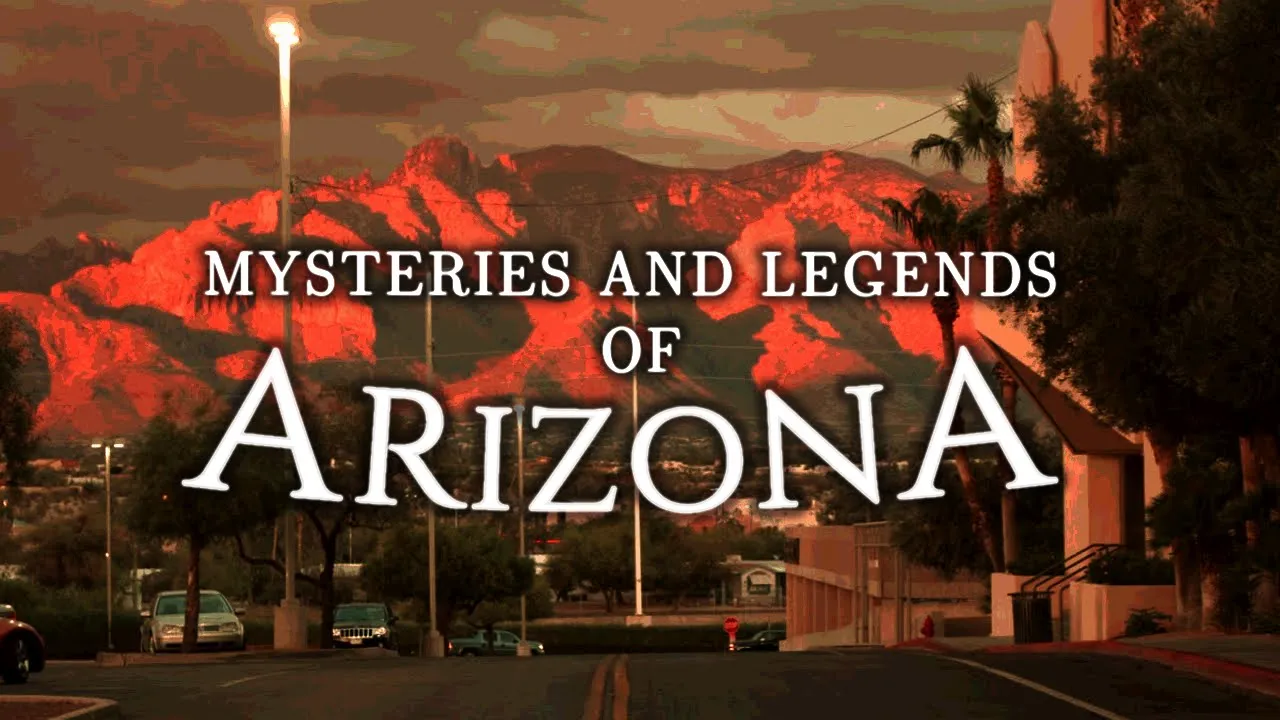
Welcome everyone to some strange and obscure mysteries and legends of Arizona. I hope you enjoy, make sure to subscribe, and thank you for watching! Copyright disclaimer under section 107 of the copyright act 1976, allowance is made for fair use for purposes such as criticism, comment, news reporting, teaching, scholarship, and more. no copyright infringement intended. Sources/Links to
check out: legendsofamerica.com Weird Arizona: Your Travel Guide to Arizona's Local Legends and Best Kept Secrets Timestamps: 0:00 - Intro 0:12 - Curse of the Petrified Forest 4:03 - The Lost Dutchman’s Gold Mine 8:33 - The Red Ghost 14:27 - Brunckow's Cabin 19:25 - Solitary Spirits at Yuma Territorial Prison 24:17 - La Llorona 28:03 - Red Garter Bed & Bakery 32:49 - El Tiradito 38:16 - Monte Vista Hotel 41:52 - The Ghosts of Jerome 46:23 - Mogollon Monster 51:25 - The Disappearance of Glen and Bessie Hyde 57:26 - Apache Leap 1:01:56 - Outlaw Roy Gardner’s Loot 1:07:39 - The Ark On Superstition Mountain 1:12:50 - The Phoenix Lights 1:17:19 - Museum Club 1:12:04 - Ghosts of the Cerbat Mountain Range 1:25:23 - History & Haunting of the Navajo County Courthouse 1:29:24 - Hotel Weatherford in Flagstaff 1:33:10 - Sierra Estrella Buried Gold Music: Avith Ortega - Sunset Through Mist
AI Overview
Arizona’s legends range from a curse associated with Petrified Forest National Park to the Lost Dutchman’s Gold Mine in the Superstition Mountains. The petrified wood story centers on visitors who mailed fragments back after blaming subsequent misfortune on taking them. The mine is linked to prospector Jacob Waltz, whose reported clues never led to a verified location. Searchers faced dangerous terrain, and one modern prospector, Walt Gastler, died during a search in 1981. Both stories remain unresolved, one rooted in visitors’ accounts and the other in an unconfirmed treasure claim. The Red Ghost is described in accounts as a red camel carrying a human skeleton, with sightings reported across Arizona in the late nineteenth century. A camel shot by rancher Mizu Hastings in 1893 reportedly had scars and rawhide remnants on its back, though the identity of the supposed rider was never established. Other frontier stories focus on violence, including the killings associated with Brunckow’s Cabin and the harsh history of Yuma Territorial Prison. The prison’s reported hauntings often center on its dark cell, while stories from the cabin describe apparitions and sounds of mining. La Llorona, a widely told legend, is presented through versions in which a grieving woman searches for her drowned children. Several stories connect Arizona’s historic buildings and towns with reports of ghosts. The Red Garter Inn in Williams, Monte Vista Hotel in Flagstaff, and Jerome’s former mining district are associated with accounts of footsteps, voices, apparitions, and unexplained activity. El Tiradito in Tucson is a shrine tied to changing versions of a story about a person denied burial in consecrated ground. Visitors leave candles and written prayers there, and the site is also described as a symbol of local heritage. The Navajo County Courthouse and Weatherford Hotel add further legends involving reported spirits and unusual sounds. The Mogollon Monster is described through reported encounters with a tall, hairy creature near the Mogollon Rim. Accounts include a 1903 report by I. W. Stevens, a later camping encounter recalled by Don Davis, and more recent claims, while skeptics suggest known animals or misidentification. The disappearance of Glenn and Bessie Hyde is another unresolved Arizona mystery: the couple’s boat was found in the Grand Canyon with supplies and Bessie’s diary still aboard, but no trace of them was located. Theories include an accident in the rapids and a possible conflict, but none has been confirmed. A skull once suspected of being Glenn’s was later identified as belonging to someone else. The video also recounts Apache Leap, linking a violent historical account to the origin story of Apache tears, which are naturally formed obsidian. It describes Roy Gardner’s train robberies and repeated escapes, then notes that some of his stolen money was never recovered and that a cache of gold near Flagstaff is rumored. A story about an ark on Superstition Mountain retells a flood narrative in which Sua and his wife survive in a sealed vessel. These accounts connect place-based legends with Arizona history, Indigenous traditions, and treasure lore. The video presents them as stories and mysteries rather than proof that their supernatural or treasure claims are true. The Phoenix Lights account describes reports from March 13, 1997, when witnesses across Arizona and Nevada saw formations of lights. The video distinguishes the earlier moving formation from lights later seen hovering above Phoenix. The military explanation cited for the first sightings was A-10 aircraft flying in formation, while the later lights were attributed to parachute flares. Some witnesses accepted those explanations, while others, including former governor Fife Symington, later described an observation they considered unexplained. Across the collection, Arizona’s landscapes, mining towns, historic buildings, and oral traditions provide the settings for enduring mysteries and legends.
Topics · entertainment · folklore · unexplained · cryptid · mystery · true crime
Questions answered
- What is the curse associated with Petrified Forest National Park?
- The legend says that people who take petrified wood from the park experience bad luck and may mail the pieces back, hoping to reverse it. Returned fragments are kept by park staff because removing them from their original locations also removes scientific context.
- Has the Lost Dutchman’s Gold Mine been found?
- No verified location has been established. The story is associated with Jacob Waltz and clues said to point to the Superstition Mountains.
- What was the Red Ghost said to be?
- Witnesses described a red camel carrying a human body or skeleton. The animal was reportedly shot in 1893, and scars and rawhide remnants were found on its back, but the rider’s identity remains unknown.
- What is the legend of La Llorona?
- La Llorona is a weeping woman said to search near waterways for her children after drowning them in a moment of grief. Versions vary across regions, and the story is also used as a warning to children to stay away from dangerous water at night.
- What explanations have been given for the Phoenix Lights?
- The military explanation cited for the earlier moving lights was A-10 aircraft flying in formation. The later hovering lights were attributed to illumination flares dropped during a training exercise, though some witnesses continued to dispute or question these explanations.
- What happened to Glenn and Bessie Hyde in the Grand Canyon?
- The couple disappeared during a 1928 Colorado River trip. Their boat was found with supplies and Bessie’s diary aboard, but no remains or other trace of the couple were found.
- What are Apache tears, and how are they linked to Apache Leap?
- Apache tears are small, rounded pieces of obsidian that form naturally in volcanic deposits. A local legend connects them to the grief of Apache women after a deadly confrontation at Apache Leap.
- Where is Roy Gardner’s stolen money believed to be?
- The precise location of Gardner’s unrecovered money is unknown. A legend places $16,000 in gold coins in an extinct volcanic cone near Flagstaff, while other possible hiding places are associated with his routes through several states.