How The NFL Is Changing Football Forever
Your rating
Reactions
Promos
How The NFL Is Changing Football Forever SeatGeek Promo Code ($20 Off First Order): seatgeek.onelink.me PATREON: patreon.com/FootballAnalysis UNDERDOG Fantasy: play.underdogfantasy.com TWITTER: mobile.twitter.com Degeneracy Podcast: youtube.com DISCORD: discord.gg TIKTOK: vm.tiktok.com Welcome to the Football Analysis Youtube channel! Subscribe for all NFL related content! Drop a like if you enjoyed the video as all support is very much appreciated! Thanks for watching! #nfl #nfldraft #football
AI Overview
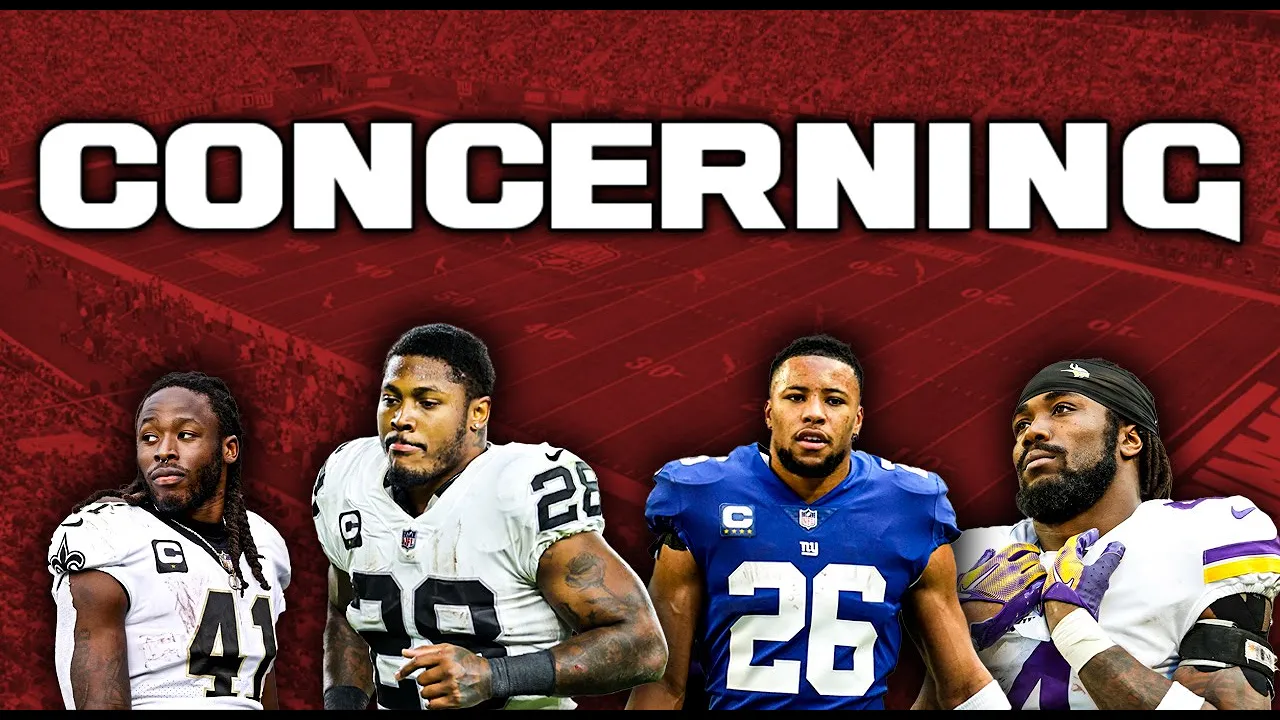
The video argues that NFL teams' reluctance to pay running backs could reshape how young players choose positions. It contrasts Josh Jacobs's 2,000-yard total 2022 season and Saquon Barkley's 1,600-plus total yards with teams' concerns about injury risk, career length, and the cost of long-term contracts. The speaker says the market gap is substantial: Tyreek Hill's receiver deal averaged $30 million per year, while Christian McCaffrey was described as the highest-paid running back at about $16 million annually. It also points out that teams generally carry more receivers than running backs, creating more roster opportunities at receiver. The video suggests that talented young players who can play either position may increasingly choose receiver for better pay and less physical wear.
Topics · sports · nfl · football analysis
Questions answered
- Why are NFL teams reluctant to give running backs large contract extensions?
- Running backs face frequent physical wear and injury risk, and teams may worry that their production will decline during a long-term contract.
- Why might young football players choose wide receiver over running back?
- The video argues that receivers can earn more, face less contact over the course of a season, and have more available roster spots.
- How does the video compare top NFL running back and receiver salaries?
- It cites Christian McCaffrey at about $16 million per year on average and Tyreek Hill at $30 million per year on average.
- How could NFL teams change their running back depth charts?
- The video expects more teams to use committees, with specialized backs and multiple drafted players sharing the workload.
- Why could power running backs benefit from lighter NFL defenses?
- The video connects the growth of the passing game with lighter defensive personnel, arguing that bigger backs such as Nick Chubb and Derrick Henry can exploit size advantages.