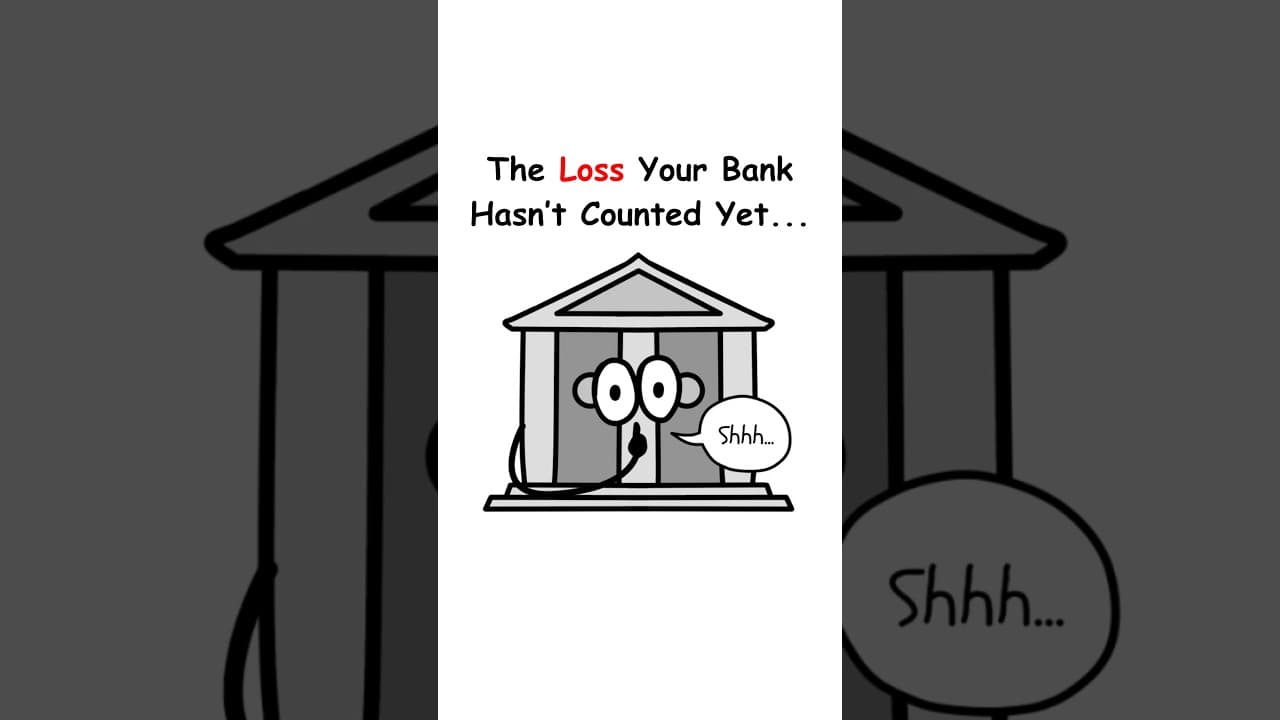
How Does This Stock Trading Scam (Actually) Work?
Your rating
Reactions
AudioEnglish (original)Auto-dubbed: Dutch, French, German, Spanish, Arabic, Bangla, Hebrew, Hindi, Indonesian, Italian+10 more
Description
Because here's how the business model actually works. A trader pays an upfront, non-refundable fee to attempt a trading challenge. In return, the trader receives what looks like a 50k or 100k trading account, but it's not real. It's a paper trading account on a simulated platform. Then the trader goes about trading. If the trader fails the challenge by hitting a drawdown limit, the firm just keeps the trader's original fee, the account is reset, and both sides move on. If the trader succeeds, the firm may pay out a profit split, where the trader receives a percentage of the simulated profits and the firm keeps the rest. But here's the crucial detail that never gets mentioned. These payouts don't come from the market profits. They come from the pool of fees collected from the other traders who failed.
AI Overview
The video explains a stock trading challenge scam where a trader pays an upfront, non-refundable fee to attempt a trading challenge with a “50k or 100k” account. The account is not real trading capital, it is a paper trading account on a simulated platform. The trader then performs trades, and if they fail the challenge by hitting a drawdown limit, the firm keeps the trader’s original fee and the account is reset. If the trader succeeds, the firm may pay out using a profit split, where the trader receives a percentage of the simulated profits. The key detail is that these payouts do not come from market profits, they come from the pool of fees collected from other traders who failed.
Topics · finance · stock market · markets · business · economics · education
What viewers said
Viewers generally frame the described “prop firm” model as deceptive, with multiple comments explicitly calling it a Ponzi scheme or variants of it. Several people question why anyone would fund novices and point out that success payouts likely depend on others’ failure. There is also debate about whether any “real” prop firms use real money and whether professional traders are truly trading real accounts or earning commissions from followers. Some viewers praise the explanation and humor, while others criticize the accuracy, claim the math is inconsistent, or accuse the channel of being AI slop or satire-only content. A recurring practical suggestion is to add clearer on-video labeling such as “PROP FIRMS” and to expand into related topics like types of securities.
Questions answered
- How does a stock trading challenge scam with a simulated 50k or 100k account work?
- A trader pays an upfront, non-refundable fee to attempt a trading challenge. They receive a simulated paper trading account on a platform, not real trading capital.
- What happens to the fee if a trader hits the drawdown limit during a trading challenge?
- If the trader fails by hitting the drawdown limit, the firm keeps the trader’s original upfront fee and resets the account.
- Where do profit split payouts come from in the simulated account scam model?
- The payouts come from the pool of fees collected from other traders who failed the challenge, not from market profits.
- What triggers profit split payouts when using a simulated trading account?
- Profit split payouts may be offered when the trader succeeds in the challenge according to the rules, with the trader receiving a percentage of the simulated profits.