Your rating
Reactions
Promos
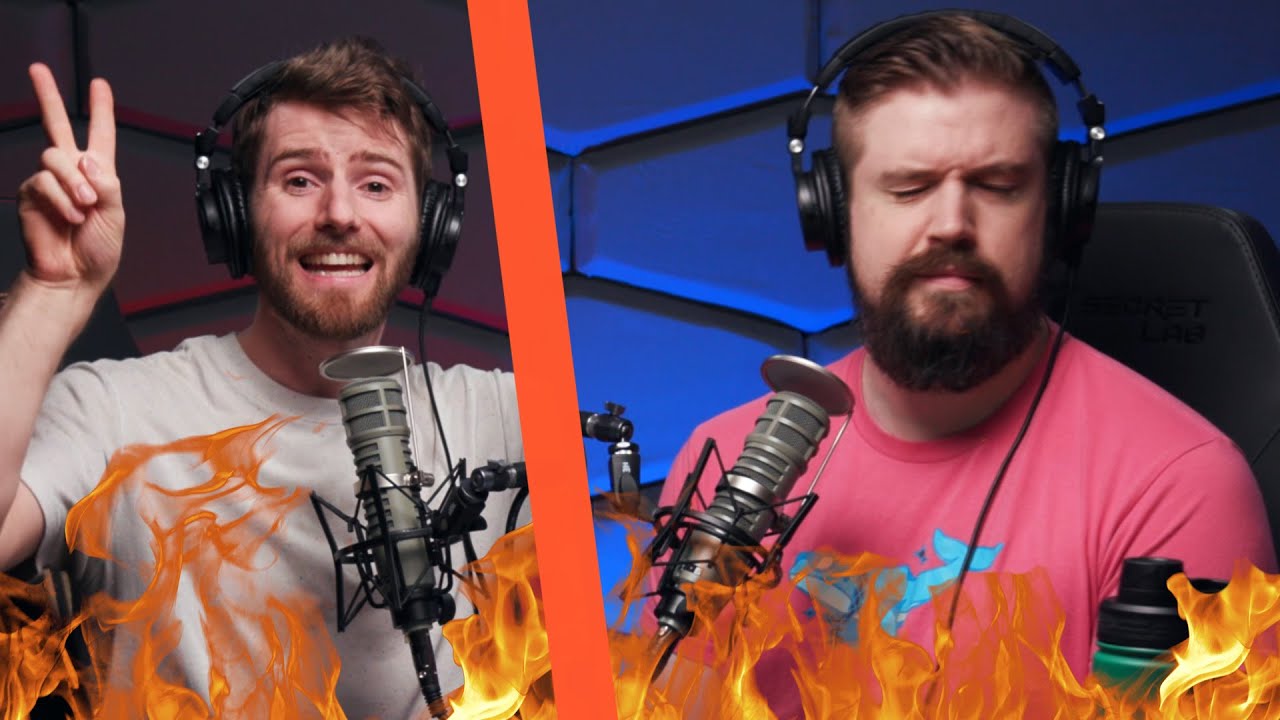
Youtube rescinds their harsher profanity policy – Bonus: Linus nearly gets himself Turbo-Cancelled. Watch the full WAN Show: youtube.com ► GET MERCH: lttstore.com ► LTX 2023 TICKETS AVAILABLE NOW: lmg.gg ► GET EXCLUSIVE CONTENT ON FLOATPLANE: lmg.gg ► SPONSORS, AFFILIATES, AND PARTNERS: lmg.gg ► OUR WAN PODCAST GEAR: lmg.gg FOLLOW US ON SOCIAL --------------------------------------------------- Twitter: twitter.com Facebook: @LinusTech Instagram: @linustech TikTok: @linustech TikTok (LMG Clips): @_lmgclips_ Twitch: twitch.tv
AI Overview
Linus and Luke discuss YouTube easing its stricter profanity rules for advertiser-friendly content, while emphasizing that the policy has not been removed. They describe how the earlier rules led to limited monetization for a Short Circuit video after the phrase “penis lamp” was used, and criticize the November changes for being vague and applied retroactively. The revised guidance gives clearer examples, including when moderate or occasional strong profanity may still qualify for full monetization. YouTube also says videos affected by the November changes will be reviewed again in the coming weeks. The conversation turns to how advertisers and creators can disagree about older content that remains available on YouTube, especially as social attitudes and language change. Linus recalls watching older television episodes where offensive terms were used casually, and the hosts briefly misunderstand what “hard R” refers to, prompting jokes that Linus might get the company in trouble. They clarify the misunderstanding and return to the point that language from the early 2000s can sound jarring today, while the same period feels much further away to younger generations. The discussion ends with Linus noting that people’s sense of how recent the past is depends on their age and experience.
Topics · podcast · technology · opinion · linus · clip · science & technology
Questions answered
- What changed in YouTube's profanity policy for monetized videos?
- YouTube clarified its rules and relaxed the penalties: some moderate profanity and occasional strong profanity outside the opening seven seconds can qualify for full monetization, while strong profanity in the opening seven seconds or throughout most of a video can receive limited monetization rather than no monetization.
- Why did creators criticize YouTube's November profanity policy changes?
- Creators objected that the rules were vague, poorly communicated, and applied retroactively, which caused previously acceptable videos to lose monetization without a clear explanation.
- What did YouTube say would happen to videos demonetized under the November changes?
- YouTube said those videos would be reviewed again in the coming weeks.
- Why can language in older television shows feel jarring to viewers today?
- Social attitudes and language norms have changed, so terms that were used casually in older shows can sound offensive or surprising to contemporary viewers.