Votre note
Réactions
Description
Thanks to Secret Lab for sponsoring this week's clips!
Promotions
Check out Secret Lab chairs today at: lmg.gg Proof that nobody is safe. Be careful out there! Watch the full WAN Show: youtube.com ► GET MERCH: lttstore.com ► AFFILIATES, SPONSORS & REFERRALS: lmg.gg ► PODCAST GEAR: lmg.gg ► SUPPORT US ON FLOATPLANE: floatplane.com FOLLOW US ON SOCIAL --------------------------------------------------- Twitter: twitter.com Facebook: @LinusTech Instagram: @linustech TikTok: @linustech Twitch: twitch.tv
Aperçu IA
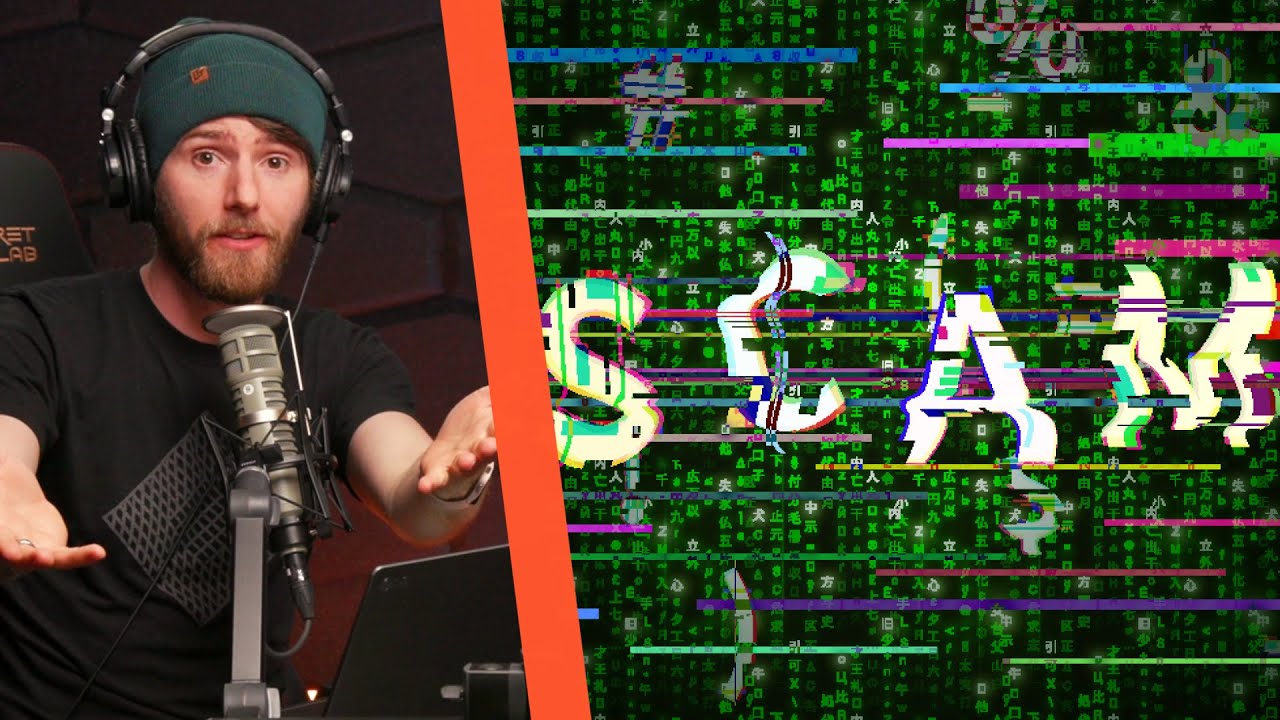
The speaker says he and his wife were victims of wire fraud after a third party gained full access to the email system of a company they worked with. The attacker watched communications for an extended period, then impersonated the company using its real email domain, familiar writing style, and ongoing correspondence. Messages sent to the company were diverted, allowing the fraudster to reply as if they were the correct people. The speaker identifies the scheme as business email compromise and says the funds have been frozen while they work with a fraud team and legal authorities to try to recover them. He says the experience will lead them to add more safeguards for outgoing wires and other payments, which can be difficult to recall once sent. The discussion turns to how convincing the attack was and why people should report fraud rather than feel ashamed. The speakers note that checking a sender domain or calling a number included in an email may not be enough if the attacker controls the email account or has compromised contact information. They suggest using a previously verified phone number and explain that being rushed can lead people to miss warning signs. The conversation also touches on ways attackers may exploit two-factor authentication, including repeated login prompts that can pressure someone into approving access. The speaker says responsibility and possible legal claims are complicated, since the company still needs to be dealt with and pursuing a case could be expensive. The speakers broaden the topic to other security risks, including war driving, where someone tests nearby Wi-Fi networks using likely passwords such as phone numbers. They emphasize that security requires ongoing attention and discuss rotating, disconnected backups as a way to limit data loss from ransomware, while acknowledging that no backup approach stops every targeted attack. They consider physically disconnecting backup machines or controlling network access through a switch, and point out that data can still be exposed when it is copied to a backup. The clip ends with a Secretlab sponsorship message promoting its chairs, warranty, and return policy.
Sujets · science & technology · business · story · podcast · clip
Questions traitées
- How did the business email compromise lead to a fraudulent wire transfer?
- A third party accessed a company's email system, monitored its communications, diverted messages, and impersonated the company's contacts using the correct email domain and familiar writing style.
- Why was the wire fraud difficult to detect?
- The attacker had access to the email system and could follow an existing conversation, use familiar names and writing styles, and send replies from the correct domain.
- How can people verify payment instructions received by email?
- Call a phone number that was already verified or independently obtained, rather than relying only on contact details in the email.
- What security risks can repeated two-factor authentication prompts create?
- Repeated login prompts can pressure a person into approving an access request, potentially allowing an attacker who knows the password to enter the account.
- How can air-gapped backups help limit ransomware damage?
- Keeping backups disconnected from the network can reduce the amount of data exposed to a network-wide ransomware attack, though it does not prevent every targeted attack.


