What Makes Tony Soprano So Dangerous?
Este vídeo también tiene audio en español (doblaje automático). En el reproductor, abre Configuración → Pista de audio y elige español.
Tu valoración
Reacciones
AudioInglés (original)Doblaje automático: Español, Alemán, Francés, Hindi, Indonesio, Italiano, Japonés, Malayálam, Polaco, Portugués+1 más
Canales y redes sociales
By clicking my link piavpn.com get 83% discount on Private Internet Access! That's just $2.03 a month, and also get 4 extra months completely for free! _____________________________________________________________ ▼ SUPPORT THE CHANNEL (+ get something back ) ▼ Editing tutorials, behind-the-scenes and more: patreon.com Where I learned to edit (get 1 month free!): skillshare.eqcm.net Music source 1: epidemicsound.com Music source 2: shorturl.at _____________________________________________________________ [Chapters] 0:00 - Intro 1:22 - Chapter I: Bobo Doll 5:06 - Chapter II: Who's The Boss 8:01 - Chapter III: The Prince 15:31 - Chapter IV: Goomah 20:23 - Chapter V: Failed Oedipus 22:55 - Chapter VI: Crab In A Bucket 29:55 - Chapter VII: The Dark Triad #thesopranos #characteranalysis #psychology
Resumen de IA
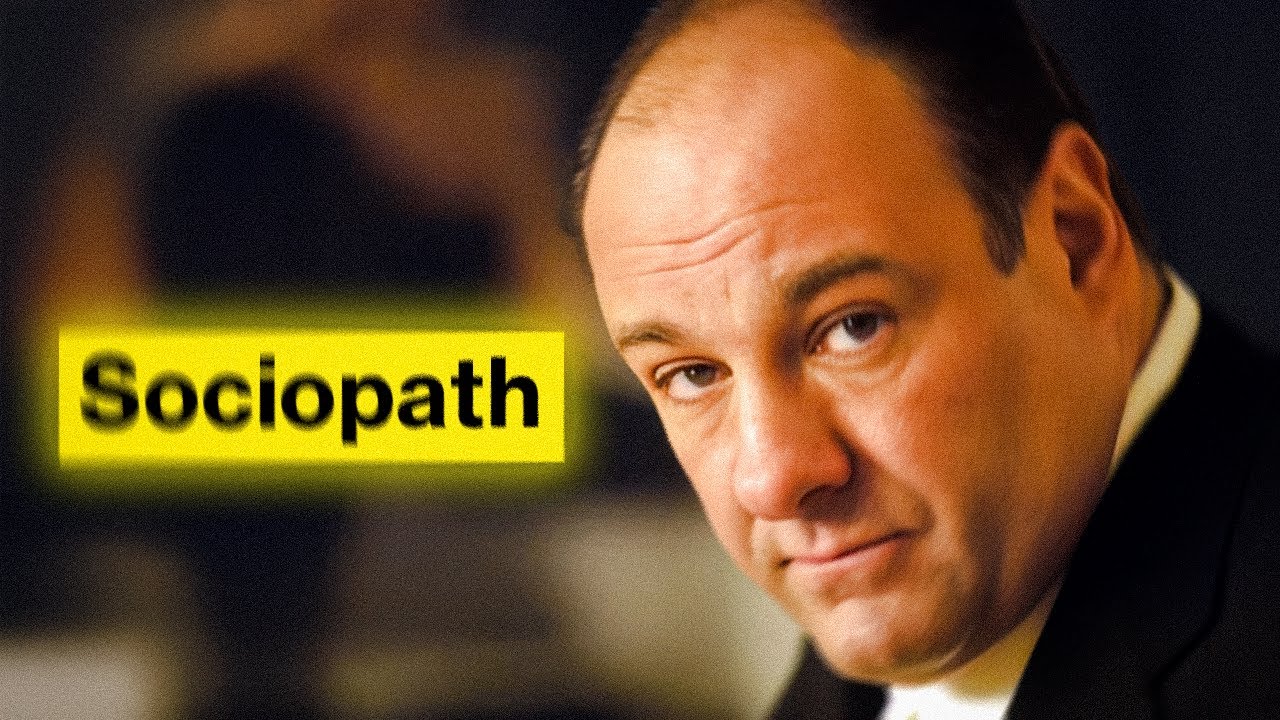
The analysis traces Tony Soprano’s path into organized crime to the world he grew up in, where his father Johnny and Uncle Junior were mobsters. It connects his childhood environment to social learning theory and the Bobo doll experiment, arguing that Tony saw violence rewarded with respect rather than punished. The video presents this upbringing as an influence on his behavior, not an excuse for the harm he causes. Tony’s early life is framed as one source of the dangerous habits he later uses as a crime boss. The opening establishes that the character combines personal pain with repeated acts of deliberate evil. The video describes Tony’s deception around Junior’s claim to the family leadership, arguing that Tony lets Junior hold the title while privately retaining control. It links that maneuver to Machiavellian ideas about self-interest, fear, and the importance of public image. In the Jackie Jr. case, Tony nudges Ralph toward ordering the murder while avoiding a direct instruction and its associated blame. The discussion also examines Tony’s role in Adriana’s death, highlighting how he uses a fabricated story about Christopher to persuade her to meet him. These examples portray manipulation as a way for Tony to protect his standing while making other people carry out or suffer the consequences of his decisions. The analysis connects Tony’s lack of empathy and desensitization to his calmness around violence, including the deaths of informant Big Pussy and Adriana. It discusses his affairs and suggests that his pursuit of women may relate to a childhood without the validation he wanted from his mother, Livia. The video also applies the “crab in a bucket” idea to Tony’s treatment of Janice and Christopher, arguing that he undermines their efforts to improve when their progress makes him uncomfortable. Christopher’s sobriety is a key example: Tony initially supports recovery, then mocks Christopher for staying sober. The video presents these relationships as evidence that Tony’s influence often pulls people back toward destructive behavior. In its final section, the video considers Tony through the Dark Triad traits of Machiavellianism, narcissism, and psychopathy. It sees strong Machiavellian tendencies in his self-interest, image management, and use of power, while describing his narcissism as connected to insecurity and a need for validation. Tony is characterized as showing some psychopathic traits, including impulsivity and limited empathy, but the analysis stops short of calling him a full psychopath. It points to moments of compassion, such as his reactions to Tracy’s death and his hesitation over Vito, as evidence that his behavior is not emotionally uniform. The conclusion is that Tony is dangerous because he combines cruelty and manipulation with occasional conscience, while repeatedly choosing power and reputation over compassion.
Temas · entertainment · character study · dark psychology · criminal psychology · anti-hero
Preguntas respondidas
- Why did Tony Soprano become involved in organized crime?
- Tony grew up around his father Johnny and Uncle Junior, who were mobsters. The analysis argues that he learned to associate violence and criminal behavior with respect and acceptance.
- How did Tony Soprano deceive Junior about control of the crime family?
- Tony let Junior hold the public title of boss while Tony and the other members arranged for Tony to retain control behind the scenes, leaving Junior more exposed to law enforcement.
- How did Tony Soprano influence Ralph’s decision about Jackie Jr.?
- Tony used indirect suggestions, telling Ralph to follow his instincts and do the right thing, while implying that Ralph should take responsibility for the decision. Ralph ultimately ordered Jackie Jr.’s murder.
- Why does the analysis connect Tony Soprano’s childhood to his adult behavior?
- It argues that Tony’s violent upbringing and lack of validation from his mother may have shaped his need for respect and attention, while emphasizing that these influences do not excuse his actions.
- What does the “crab in a bucket” idea mean in Tony Soprano’s relationships?
- It describes Tony pulling others back when they try to improve. The analysis points to his mockery of Janice’s anger-management progress and Christopher’s sobriety.
- Does the video conclude that Tony Soprano is a psychopath?
- No. It identifies some psychopathic traits, such as impulsivity and limited empathy, but concludes that Tony is not fully a psychopath and assigns him an intermediate level of those traits.