Tu valoración
Reacciones
Promociones
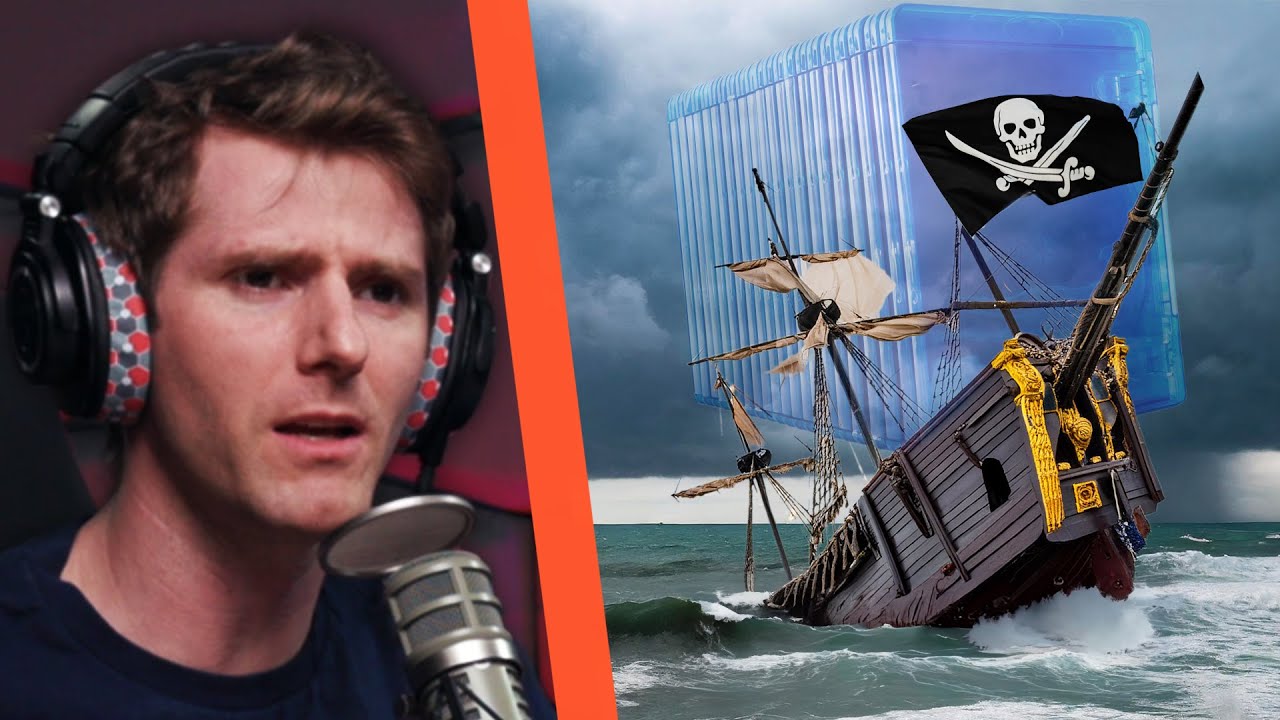
The President of the Motion Picture Association has announced that they will be working with the American government on legislation to force ISPs to block piracy websites. Watch the full WAN Show: youtube.com ► GET MERCH: lttstore.com ► GET EXCLUSIVE CONTENT ON FLOATPLANE: lmg.gg ► SPONSORS, AFFILIATES, AND PARTNERS: lmg.gg ► OUR WAN PODCAST GEAR: lmg.gg FOLLOW US ON SOCIAL --------------------------------------------------- Twitter: twitter.com Facebook: @LinusTech Instagram: @linustech TikTok: @linustech TikTok (LMG Clips): @_lmgclips_ Twitch: twitch.tv
Resumen de IA
The hosts open by discussing the Motion Picture Association’s plan to work with the U.S. Congress on legislation that would let copyright holders ask a judge to make American internet service providers block piracy websites. They question whether blocking individual sites would work when replacement domains and VPNs can bypass restrictions, and compare the proposal with the overblocking concerns that helped undermine the Stop Online Piracy Act. Linus describes receiving an ISP notice after downloading a game he already owned, arguing that the notice carried no immediate punishment and illustrating how rights holders already try to address infringement. The hosts conclude that effective blocking could require a much broader system of internet censorship than they expect the U.S. to adopt.
Temas · science & technology · podcast · opinion · technology · clip
Preguntas respondidas
- Would legislation requiring U.S. ISPs to block piracy websites stop online piracy?
- The hosts doubt it would be effective because sites can move to new domains and users can bypass blocks with VPNs. They argue that stronger enforcement could require a much broader internet censorship system.
- How can regional pricing affect piracy?
- The hosts describe cases where reducing a game's price in a region with lower purchasing power was followed by less piracy and higher sales. They argue that affordability and availability can influence whether people pirate.
- Can piracy losses be reliably measured from the number of downloads?
- The hosts argue that a download does not necessarily represent a lost sale, since some people would not have bought or played the work otherwise. They accept that piracy can have a financial impact but question large industry estimates that lack clear supporting sources.
- Why do the hosts say streaming fragmentation can encourage piracy?
- Movies and shows are spread across many subscription services, and viewers may find it difficult or expensive to access the specific content they want. The hosts also object to digital purchases that depend on a store or service continuing to authorize access.
- Why did the hosts stop running their own VPN service?
- They say lawyers raised concerns about the responsibility of operating a service that could be used to access illegal material. The hosts were unwilling to run a service with no logs if that could prevent them from responding to serious abuse.
- What concerns do the hosts raise about VPN sponsorships?
- They say VPN sponsorships are acceptable when claims are accurate and clearly explained, but criticize providers and creators for using misleading marketing. They also discuss the financial appeal of VPN sponsorships and the responsibility involved in promoting them.
- Why do the hosts oppose gambling sponsorships?
- They argue that commercial gambling can use addictive design and cause people to lose money they need for essentials. They distinguish that from limited, affordable gambling among friends, which they see as a different kind of activity.